Furnace vs. Heat Pump: Which Heating System Is Right for Your Home?
Choosing the optimal heating system for your home is a significant decision that impacts not only your daily comfort but also your monthly utility expenditures and the long-term reliability of your home’s climate control. This comprehensive guide will delve into the operational mechanics of both furnaces and heat pumps, providing a detailed comparison of their energy efficiency and associated costs. We will also explore how each system performs under varying cold weather conditions, particularly relevant for regions with distinct seasons. Furthermore, we’ll introduce the concept of dual fuel systems, which ingeniously combine both technologies to offer a versatile solution. By the conclusion of this article, you will possess a clear and informed understanding of which heating option is best suited to your specific household needs and budgetary considerations.
What Are the Key Differences Between Furnaces and Heat Pumps?
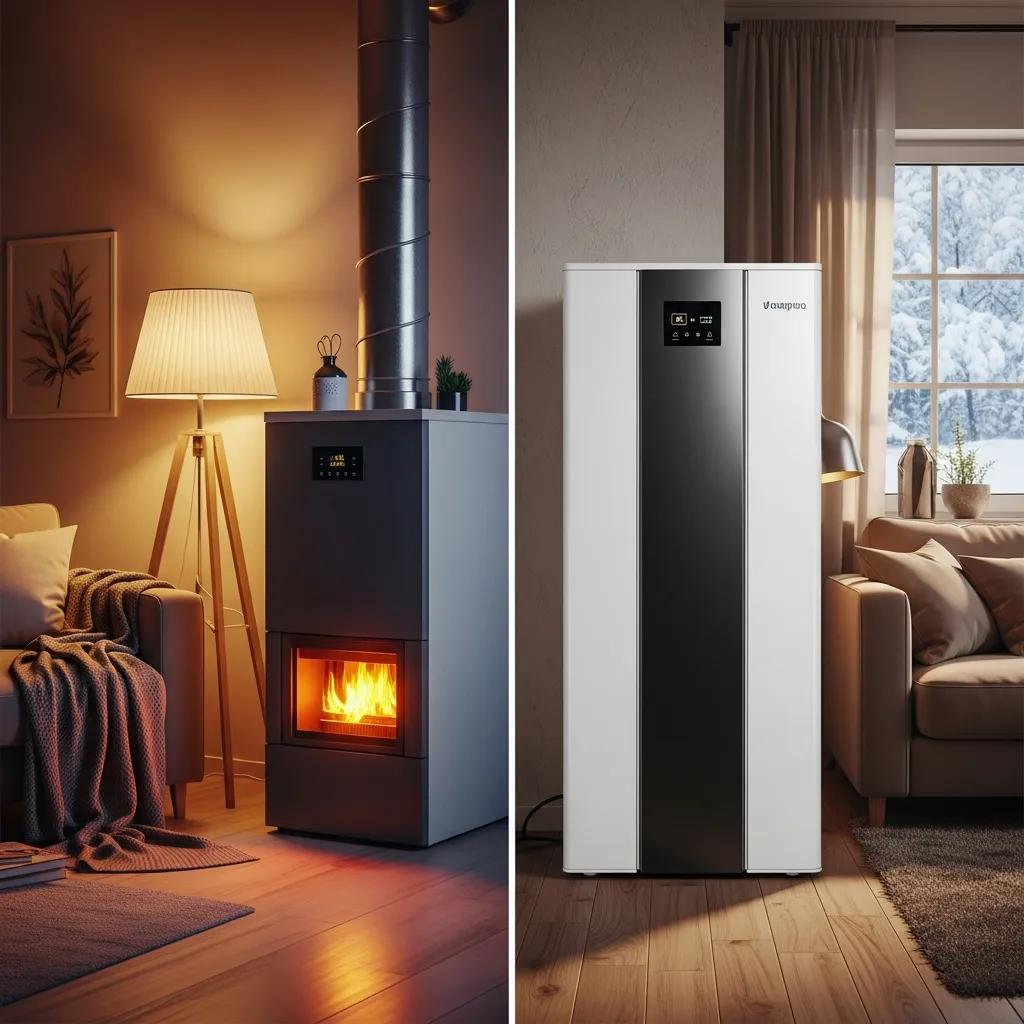
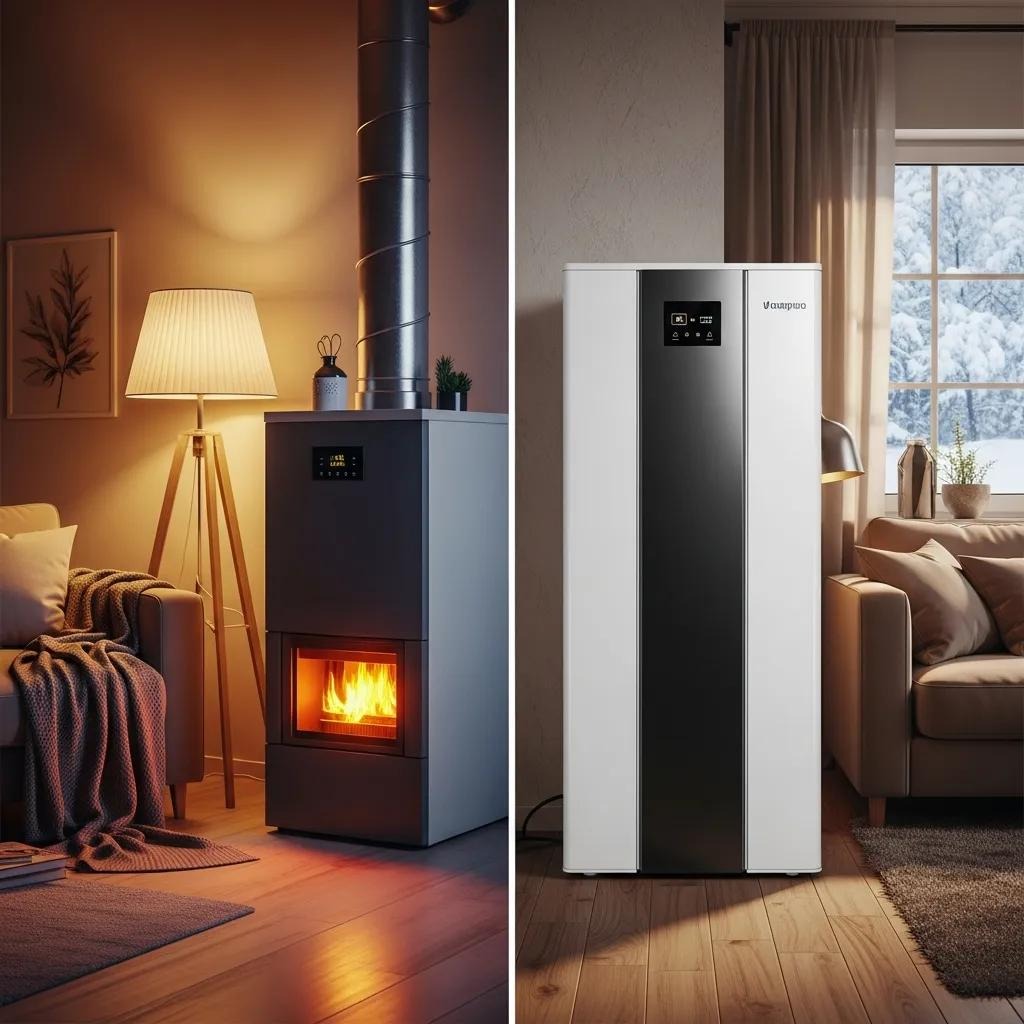
While both furnaces and heat pumps are designed to effectively warm your living spaces, their fundamental operational principles diverge significantly. Furnaces primarily generate heat through the combustion of various fuels, such as natural gas, propane, or oil, or by utilizing electric resistance elements. In contrast, heat pumps operate by transferring existing heat from one location to another, typically extracting thermal energy from the outside air or the ground and moving it into your home. This core difference in how they produce or move heat directly influences their respective energy efficiency, ongoing running costs, and the specific climates for which each option is most suitable, making it a crucial factor in your decision-making process.
How Do Furnaces and Heat Pumps Work to Heat Your Home?
How furnaces work involves a process where fuel is ignited within a combustion chamber, producing hot gases that then transfer heat to a heat exchanger. A powerful blower fan subsequently pushes this warmed air through your home’s ductwork, distributing consistent heat throughout all rooms. Furnaces are renowned for their ability to deliver robust and steady heat, making them exceptionally effective and reliable in colder regions where sustained high temperatures are essential for comfort. Heat pumps, on the other hand, utilize a sophisticated refrigerant cycle, similar to an air conditioner operating in reverse. They absorb heat from the ambient air or the earth, compress the refrigerant to raise its temperature, and then release that heat into your home. Because heat pumps are designed to move heat rather than create it through combustion, they typically consume less energy, especially in climates characterized by milder winters, offering an energy-efficient alternative.
What Are the Energy Efficiency Differences Between Furnaces and Heat Pumps?
Energy efficiency stands as a paramount consideration when selecting a new heating system, directly impacting your environmental footprint and utility expenses. Furnaces are rated by their AFUE (Annual Fuel Utilization Efficiency), a percentage that indicates how much of the fuel consumed is converted into usable heat for your home, with the remainder lost through the exhaust. A higher AFUE rating signifies high-quality efficiency and less wasted fuel. Heat pumps, conversely, are measured by HSPF (Heating Seasonal Performance Factor), which quantifies their overall seasonal heating efficiency. In many operational scenarios, heat pumps can lead to significantly lower energy bills because the process of moving existing heat requires substantially less energy input than the process of generating heat from scratch. However, it is important to note that local fuel prices, the specific climate conditions, and the insulation quality of your home all play a substantial role in determining actual energy savings.
How Do Costs Compare Between Heat Pumps and Furnaces?
When evaluating the financial implications of a new heating system, a comprehensive cost comparison must extend beyond the initial purchase price. It should encompass the upfront installation expenses, the ongoing operating costs over the system’s lifespan, and the potential for long-term savings that can accumulate over many years. Focusing solely on the initial price tag can be misleading, as the true economic value of a heating system is best understood by considering its total cost of ownership throughout its operational life, including maintenance and potential energy incentives.
What Are the Installation and Operating Costs for Each System?
Installation costs for heating systems can vary considerably, influenced by the specific type of equipment chosen, the complexity of the installation process, and any necessary modifications to existing ductwork or electrical systems. Generally, gas furnaces tend to have lower installation costs compared to electric furnaces, primarily due to the simpler setup requirements. Heat pumps, particularly air-source models, typically involve higher upfront costs for both the equipment and the specialized installation, which may include refrigerant lines and outdoor unit placement. However, these higher initial investments are often offset by their significantly lower operating costs over time, attributed to their high-quality energy efficiency in transferring heat rather than generating it. Factors like home size, existing infrastructure, and regional labor rates will also influence these ps.
• Gas Furnace — Installation Cost: Typically Moderate — Average Monthly Operating Cost: Moderate
• Electric Furnace — Installation Cost: Moderate — Average Monthly Operating Cost: Higher
• Air-Source Heat Pump — Installation Cost: Substantial — Average Monthly Operating Cost: Lower to Moderate
The table above presents typical cost ranges for installation and average monthly operating expenses, offering a general guideline. It illustrates that while heat pumps may require a larger initial investment for installation, they often lead to substantial savings on monthly utility bills due to their enhanced energy efficiency. It is crucial to remember that your precise costs will be influenced by several variables, including the specific size and model of the system required for your home, the quality of your home’s insulation, local energy rates for electricity and natural gas, and any available rebates or incentives in your area. A personalized quote will provide the most accurate ps for your situation.
Is Replacing a Furnace with a Heat Pump Worth the Investment?
Replacing an existing furnace with a modern heat pump can be a highly advantageous investment, particularly if you reside in a region that experiences mild to moderate winters. Over the long term, the cumulative savings from lower energy bills, combined with potential federal, state, or local utility rebates and tax credits, can significantly help to offset the higher initial purchase and installation price of a heat pump. Beyond the financial benefits, heat pumps offer the added convenience and comfort of providing both heating in winter and efficient air conditioning in summer, consolidating your climate control needs into a single, versatile system. This dual functionality can simplify maintenance and free up space, making it a compelling upgrade for many homeowners.
Which Heating System Performs Better in Missouri’s Cold Climate?
Given that Missouri winters can often bring significantly cold temperatures, the reliability and consistent performance of your heating system at low temperatures become paramount considerations. Homeowners in this region must carefully weigh how each system maintains comfort when the mercury drops, ensuring their chosen solution can withstand the demands of a harsh winter without compromising warmth or efficiency.
Can Heat Pumps Effectively Heat Homes in Freezing Temperatures?
Significant advancements in HVAC technology have led to the development of modern, cold-climate heat pumps that are specifically engineered to perform exceptionally well even when outdoor temperatures fall below freezing. Many contemporary models are capable of operating efficiently down to approximately 5°F (-15°C) or even lower, providing reliable warmth. These systems often incorporate features like variable-speed compressors and enhanced vapor injection to maintain performance in colder conditions. However, it is important to acknowledge that as temperatures become extremely low, the heat pump’s efficiency will naturally decrease, and in very severe cold snaps, a supplemental heat source, such as electric resistance coils or a furnace in a dual fuel system, may be necessary to ensure optimal comfort.
How Do Furnaces Provide Reliable Warmth During Harsh Winters?
Furnaces are renowned for their consistent reliability and robust performance in cold weather conditions, primarily because their heat generation process is largely independent of the outdoor ambient temperature. By burning fuel, they produce a consistent and powerful output of heat, which is then distributed throughout the home. This makes them an exceptionally strong and dependable choice for areas that experience prolonged, frigid winters, where the demand for steady, high-output heating is critical to maintain comfortable indoor temperatures. Furnaces can quickly recover from temperature drops and provide a continuous stream of warm air, ensuring your home remains cozy even during the most severe cold fronts.
What Are the Benefits of Dual Fuel Systems Combining Furnaces and Heat Pumps?
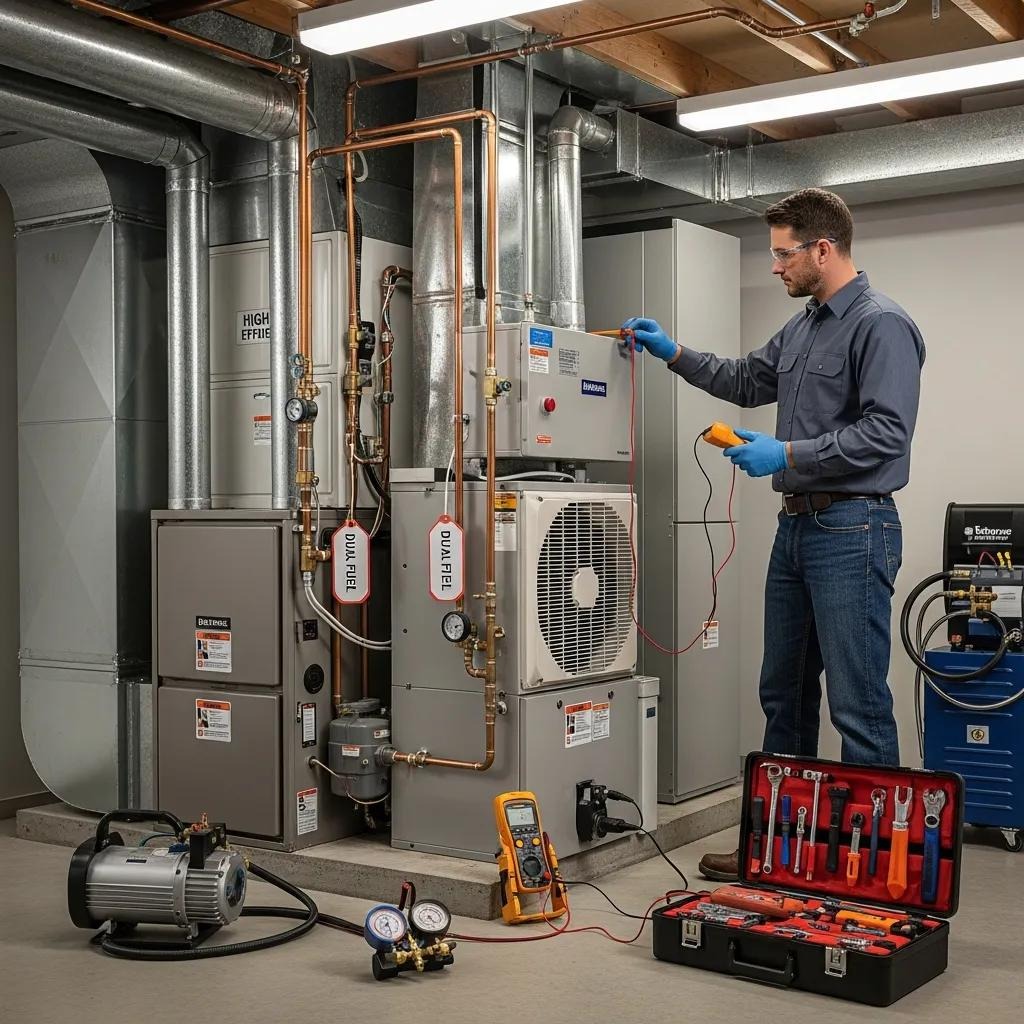
Dual fuel systems represent an intelligent and highly adaptable heating solution that strategically pairs a high-efficiency heat pump with a traditional furnace. This innovative setup allows the system to automatically switch between the two heating sources based on outdoor temperatures and predefined efficiency settings. The primary advantage of this configuration is that it leverages the high-quality energy efficiency of a heat pump during milder weather conditions, where it can operate most effectively, while seamlessly transitioning to the powerful and reliable heat of a furnace when temperatures drop significantly. This ensures optimal comfort and cost-effectiveness across a wide range of climatic conditions.
How Does a Dual Fuel System Optimize Energy Efficiency and Comfort?
A dual fuel setup is engineered to achieve an optimal balance between energy efficiency and consistent comfort by intelligently managing its heating sources. The system is programmed to utilize the heat pump as its primary heating method when outdoor temperatures are moderate, as this is when the heat pump operates at its highest efficiency, moving heat rather than generating it. However, when the outdoor temperature falls below a predetermined “balance point” – a temperature at which the heat pump would require excessive energy to maintain indoor comfort – the system automatically switches to the furnace. This ensures that your home remains warm and comfortable even on the coldest days, without sacrificing overall energy efficiency. The result is a heating solution that provides high-quality comfort while minimizing energy consumption throughout the heating season.
What Are the Cost and Maintenance Considerations for Dual Fuel Systems?
While dual fuel systems typically involve higher initial installation costs compared to single-system installations, as you are essentially installing two primary pieces of heating equipment, this investment can yield substantial long-term savings. The ability to switch between the most cost-effective fuel source (electricity for the heat pump or natural gas/propane for the furnace) based on current energy prices and outdoor temperatures can lead to significant reductions in overall fuel and electricity expenses over the system’s lifespan. Furthermore, diligent maintenance is crucial for these integrated systems. Regular servicing for both the heat pump and the furnace components ensures they operate at peak efficiency, extends their operational life, and helps prevent unexpected breakdowns. It is wise to factor routine tune-ups and potential repair costs into your long-term budget to maximize the benefits of a dual fuel system.
Ready to Choose the Best Heating System for Your Home?
The ultimate decision regarding the ideal heating system for your home is a highly personalized one, contingent upon a careful evaluation of your local climate, your household budget, and your specific comfort priorities. In a region like Missouri, many homeowners find themselves weighing the consistent and powerful performance of a traditional furnace against the impressive energy efficiency and year-round climate control capabilities of a modern heat pump. Additionally, considering a dual fuel system presents a particularly smart and adaptable option for areas with mixed climates, offering the best of both technologies. We encourage you to contact us to schedule a personalized consultation. Our expert team will conduct a thorough assessment of your home’s unique characteristics and your heating needs, helping you navigate the options to select the most cost-effective, comfortable, and reliable heating solution tailored specifically for you.
Conclusion
Ultimately, the choice between a furnace and a heat pump for your home’s heating system boils down to a thoughtful balance of several critical factors: the upfront installation cost, the potential for long-term energy savings, and the severity of the winter climate in your specific geographic location. A clear understanding of the distinct strengths of each system—the furnace’s robust, consistent heat output versus the heat pump’s energy-efficient heat transfer and dual heating/cooling capabilities—is essential. Furthermore, recognizing the significant advantages of combining these technologies into a dual fuel system can empower you to make an informed decision that not only keeps your home comfortably warm but also helps manage your energy bills effectively. Should you require more personalized advice or a detailed quote tailored to your unique circumstances, please do not hesitate to reach out; we are dedicated to assisting you in finding the perfect heating solution for your home.