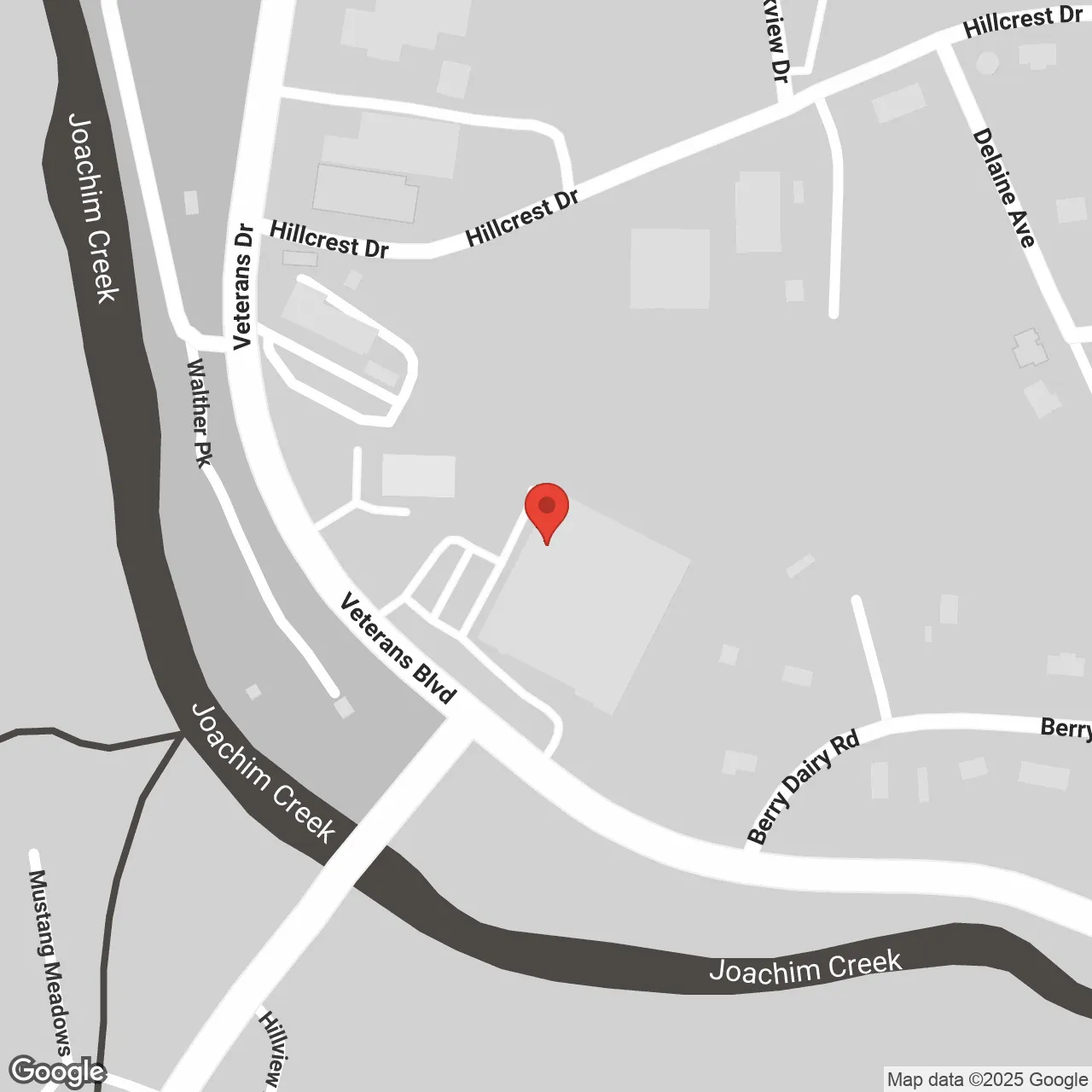
Heat Pump Repair in Hillsboro, MO
Restore comfort with heat pump repair in Hillsboro, MO by Sheet Metal Contractors, Inc. Quick, reliable fixes from local experts. Call us now for service!

Heat Pump Repair in Hillsboro, MO
A malfunctioning heat pump reduces comfort, raises energy bills, and risks more costly damage if left unaddressed. For homeowners in Hillsboro, MO, timely and accurate heat pump repair is essential because the region’s hot, humid summers and cold winters put dual stress on HVAC systems. At Sheet Metal Contractors, Inc., a family-owned St. Louis union-based HVAC contractor with decades of experience in residential and light-commercial systems, we focus on precise diagnostics and lasting repairs that restore reliable heating and cooling.
Why prompt heat pump repair matters in Hillsboro, MO
- Hillsboro’s seasonal extremes mean systems switch between cooling and heating frequently, increasing wear on compressors, reversing valves, and controls.
- High humidity accelerates corrosion and refrigerant line issues.
- Repeated freeze-thaw cycles can affect outdoor coils, defrost controls, and condensate drains.
Addressing faults early preserves efficiency, prevents secondary damage, and extends equipment life.
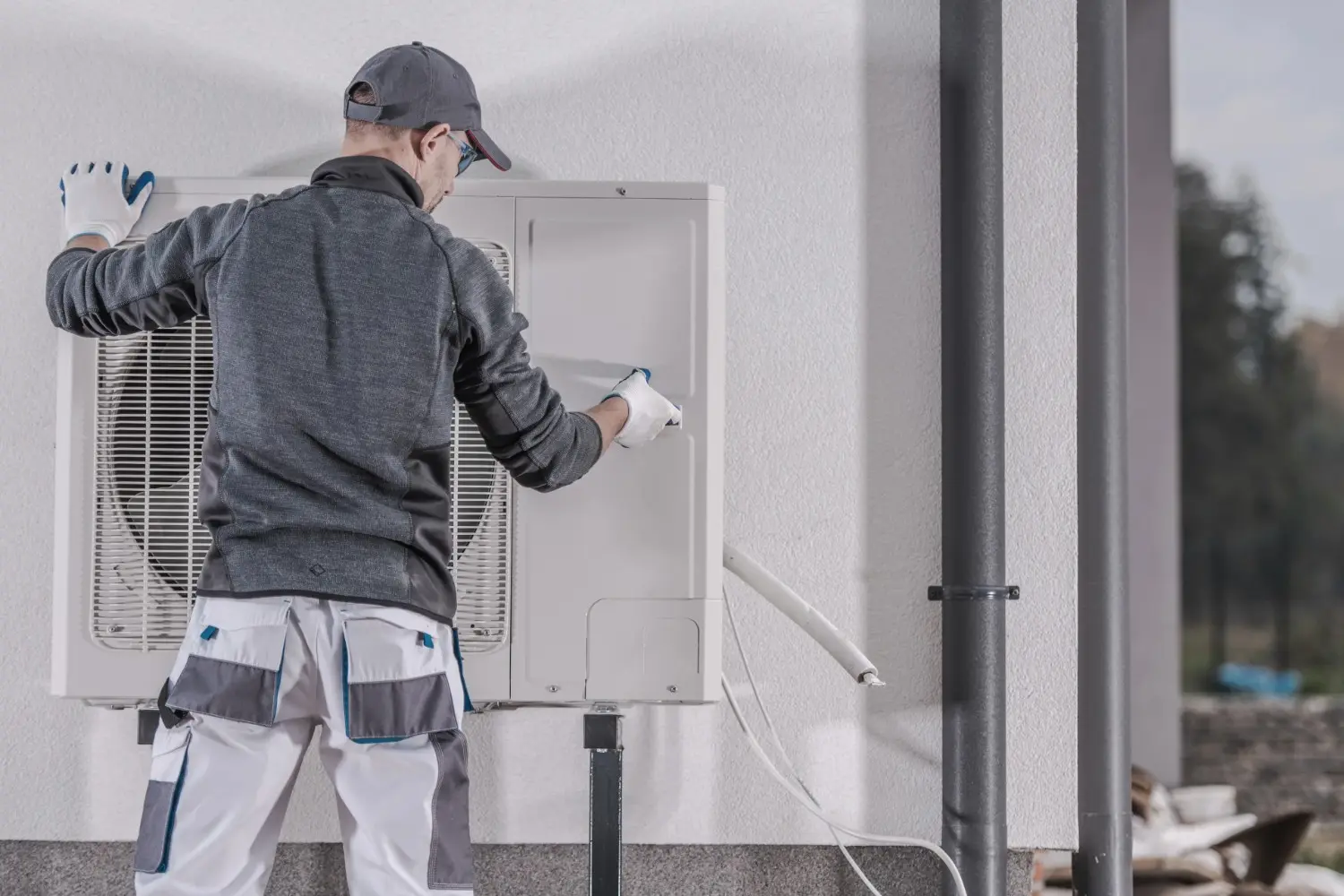
Common heat pump repair issues in Hillsboro
Homeowners commonly search for "common heat pump repair issues in Hillsboro" because certain failures repeat in our climate. Typical problems include:
- Unit not heating or cooling effectively (reduced airflow, weak output)
- Frequent short cycling or system tripping breakers
- Strange noises: grinding, buzzing, or rattling indicating bearings, motors, or compressor distress
- Frozen outdoor coil or persistent defrost cycle problems during winter
- Refrigerant leaks causing pressure imbalance and poor performance
- Electrical failures: capacitors, contactors, relays, thermostat wiring faults
- Compressor failure or overheating
- Inadequate airflow from clogged filters, blocked drains, or failing blower motors
Diagnostic process: how a professional investigation works
Effective repair begins with a thorough diagnostic sequence that isolates root causes rather than treating symptoms:
- Visual inspection: exterior unit, electrical panel, refrigerant lines, and indoor components for obvious damage or blockages.
- Thermostat and control verification: confirm setpoints, wiring integrity, and control signals.
- Electrical testing: measure voltage, current draw, capacitor health, and safety controls to locate failing electrical components.
- Refrigerant system evaluation: gauge pressures, compare with operational temps, and use electronic leak detectors and dye when needed to find leaks.
- Compressor and motor assessment: test motor windings, insulation resistance, and measure performance under load.
- Airflow assessment: inspect filters, ductwork, blower wheel, and registers for restrictions or leaks.
Diagnostics are performed with industry-standard tools and documented so repairs target the true failure mode.
Repairs and solutions explained in plain language
Repairs are tailored to the diagnosed issue and prioritized by safety and system longevity:
- Electrical repairs: Replace worn capacitors, contactors, relays, breakers, and correct loose or corroded connections to restore reliable starting and operation.
- Compressor and motor repairs: Where possible, motors can be rebuilt or replaced. Compressor failure may require a full compressor replacement and evacuation and recharge of the refrigerant system.
- Refrigerant leak detection and repair: Locate and repair the leak source (line, coil, fitting), evacuate and vacuum the system, then recharge with the correct refrigerant charge to manufacturer specifications.
- Refrigerant recharge: After leak repair, systems are recharged to the proper pressure and checked for superheat/subcooling to ensure peak efficiency.
- Defrost control and reversing valve: Repair or replace faulty controls so the outdoor coil defrosts correctly in cold weather and the system reverses cleanly between heating and cooling modes.
- Airflow fixes: Clean or replace filters, clean coils, straighten fins, and repair blower issues or duct leaks to restore proper circulation.
- Minor mechanical repairs: Replace fan blades, bearings, and belts to eliminate noise and vibration.
Each repair includes functional testing and a brief performance run to verify the problem has been resolved and the system operates within expected parameters.
Expected repair timelines
Repair time depends on the fault and parts availability:
- Minor electrical or filter/airflow fixes: often completed the same day.
- Refrigerant leak location and repair: typically 1 to 3 days depending on complexity.
- Compressor replacements or major component swaps: 1 to 2 days if parts are in stock; up to 1 to 2 weeks if custom parts or backordered components are required.
- Complex diagnostic cases that require system partial disassembly or third-party parts may extend timelines.
Technicians will prioritize safety and long-term reliability over quick fixes to avoid repeat failures.
Emergency response and priority repairs
Emergency options are available for situations that risk property damage or complete loss of heating during cold weather, such as:
- System failure during freezing temperatures where loss of heat could cause freezing pipes
- Electrical hazards, burning smells, or smoke from the unit
Emergency response typically includes priority dispatch and temporary measures to protect the home while permanent repairs are arranged.
Warranty and parts approach
Reliable repairs balance cost and longevity:
- Manufacturer parts are used when available to maintain system compatibility and preserve any remaining factory warranty.
- Where an OEM part is unavailable, high-quality aftermarket components that meet or exceed specifications may be used and documented.
- Labor and parts warranty policies are provided in writing with each repair. Warranty work on covered items is processed according to manufacturer guidelines and documented service history.
Transparent documentation of replaced parts, charges, and warranty coverage helps homeowners understand what’s protected and what to expect going forward.
Preventive advice to avoid repeat repairs
- Change or clean filters every 1 to 3 months depending on use and indoor conditions.
- Keep at least two feet of clearance around the outdoor unit and clear leaves, mulch, and debris each season.
- Keep gutters and downspouts functioning to prevent excess moisture near the unit’s foundation.
- Schedule annual preventive maintenance in spring and fall to exercise both heating and cooling modes, check refrigerant levels, verify electrical components, and clean coils.
- Consider a programmable or Wi-Fi thermostat for better control and diagnostic insight.
Timely repair and routine maintenance reduce energy costs, extend equipment life, and maintain healthier indoor comfort in Hillsboro’s varied climate. Professional diagnostics that address the root cause deliver the best long-term value for homeowners relying on heat pumps for year-round comfort.
Trust Sheet Metal Contractors, Inc. for Expert Heat Pump Repair in Hillsboro, MO
When your comfort is on the line, you need a proven team that puts precision and customer care first. At Sheet Metal Contractors, Inc., we’ve built our reputation on decades of trusted service, expert craftsmanship, and lasting solutions. Whether you’re facing an urgent repair, need guidance on your system, or want to hear what others say about our work, you’ll find it here: About Us, Request Service, or Customer Reviews. Don’t wait—restore your heat pump’s performance today with Hillsboro’s reliable HVAC partner.
our service
areas