Heat Pump Replacement in Oakville, MO
Upgrade efficiency with heat pump replacement in Oakville, MO. Sheet Metal Contractors, Inc. installs reliable, energy-saving HVAC systems. Contact us now!
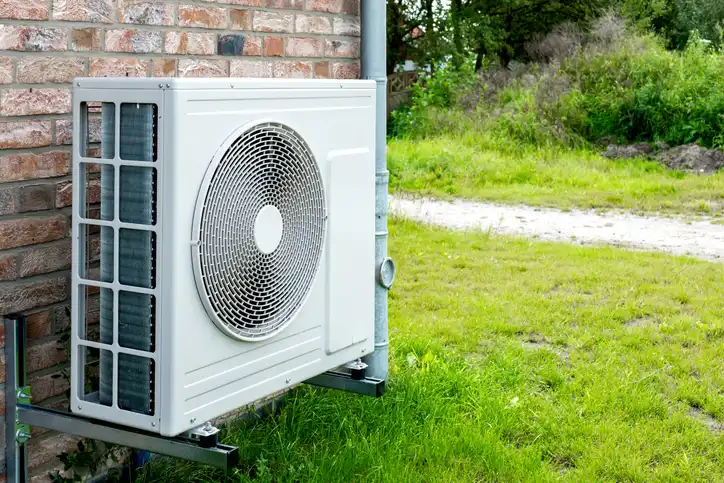
Replacing an aging or failing heat pump is one of the most effective ways Oakville homeowners can cut energy bills, improve indoor comfort, and reduce system downtime. In our St. Louis-area climate—hot, humid summers and chilly winters that occasionally dip below freezing—selecting the right replacement and having it installed correctly matters. As a family-owned, union-based St. Louis HVAC and sheet metal contractor, we focus on durable, high-efficiency solutions that fit Oakville homes and local weather patterns.
Why Homeowners in Oakville Replace Heat Pumps
Common reasons to consider a heat pump replacement in Oakville, MO:
- Frequent breakdowns or costly repairs on an older unit
- Rising energy bills despite regular maintenance
- Inconsistent heating or cooling from room to room
- Refrigerant leaks or obsolete refrigerants that are being phased out
- Loud operation or reduced capacity during extreme weather
- Desire for improved efficiency, zoning, or smart controls
Oakville’s humid summers increase cooling load and put stress on older systems. Winters with sudden cold snaps reveal whether a system can meet heating demand without excessive backup heat. Replacing a unit proactively often delivers better comfort and lower lifecycle cost than repeated repairs.
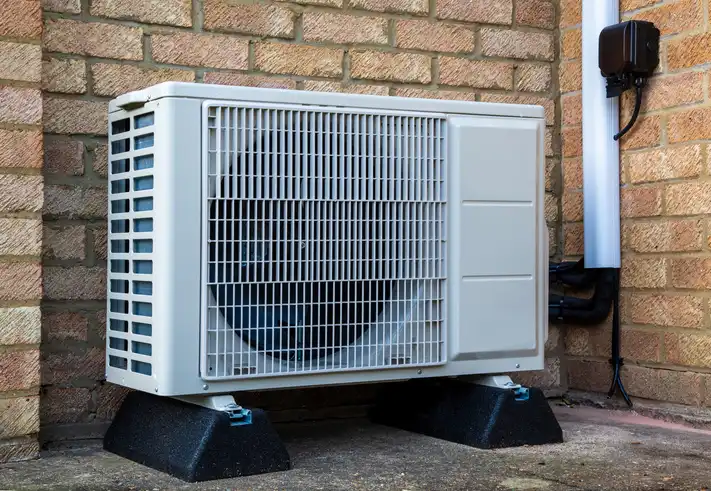
Common Heat Pump Problems That Drive Replacement
- Loss of heating capacity in cold weather due to outdated compressor technology
- Low refrigerant levels or leaks that indicate imminent failure
- Repeated compressor or compressor-start issues
- Rusted coils, corroded refrigerant lines, or damaged coils from freeze/thaw cycles
- Failed or obsolete control boards and thermostats
- Inefficient single-speed compressors leading to short cycling and poor humidity control
Heat Pump Replacement Workflow
Replacing a heat pump is a multi-step process to ensure long-term performance and efficiency.
Evaluation and Diagnostics
- Detailed inspection of the existing system, ductwork, insulation, and electrical service
- Load calculation (Manual J) to confirm heating and cooling requirements for your Oakville home
- Assessment of indoor air quality, humidity concerns, and zoning needs
- Review of past service history and any duct leakage or airflow problems
This evaluation identifies whether replacement alone is enough or if duct improvements, insulation upgrades, or zoning will maximize savings.
Equipment Selection
Key factors to weigh when choosing a new system:
- Efficiency Ratings: We compare SEER2 (cooling) and HSPF2 (heating).
- Compressor Technology: We recommend variable-speed or inverter-driven compressors for comfort and efficiency.
- Cold-Climate Options: We offer models engineered to retain capacity during Oakville winters.
- Matched Components: We install properly sized indoor coils, air handlers, or dual-fuel furnaces.
- Ductless Mini-Splits: Ideal for additions or homes without ductwork.
- Geothermal Systems: Perfect for long-term efficiency in suitable Oakville properties.
Because our team also provides sheet metal and design-build services, we factor duct design and custom transitions into equipment selection to ensure optimal airflow and longevity.
Installation Best Practices
- Proper placement of outdoor unit for airflow, drainage, and ice mitigation
- Correct refrigerant charge and leak testing per manufacturer specs
- Proper electrical connection and correct circuit sizing
- Duct sealing, balancing, and insulation where needed to prevent distribution losses
- Installing or upgrading thermostats and control wiring, including zoning when appropriate
Union-trained technicians and experienced sheet metal fabricators help avoid common installation shortcuts that reduce efficiency.
Commissioning and Performance Verification
- Measure airflow, static pressure, and temperature split to verify system performance
- Confirm correct refrigerant charge and electrical readings
- Program thermostat schedules and demonstrate operation for heating/cooling modes
- Provide a commissioning report documenting results and recommended maintenance schedule
Commissioning ensures the new system meets expected efficiency and comfort objectives on day one.
Comparing Modern High-Efficiency Heat Pump Options
- Variable-Speed Air-Source Heat Pumps: Adjust output to match demand, improving humidity control and reducing cycling.
- Cold-Climate Air-Source Models: Maintain heating capacity at lower temperatures, reducing reliance on backup heat.
- Ductless Mini-Splits: Provide efficient, zoned comfort for additions or rooms without ducts.
- Geothermal Heat Pumps: Deliver the highest efficiency and lowest operating costs long-term, with excellent payback where conditions allow.
When comparing models, look at SEER2 and HSPF2 ratings, variable-speed capability, defrost strategy for cold weather, and manufacturer warranty coverage. Matched system components and professional installation are essential for achieving rated efficiencies.
Expected Energy Savings and Payback
- Upgrading from a 10 to 15-year-old heat pump to a modern high-efficiency model commonly yields 20 to 40 percent reduction in annual energy use, with larger savings when addressing duct losses and controls.
- Switching from an older electric-resistance or low-efficiency unit to a modern heat pump can produce even greater gains.
- Cold-climate models reduce backup heating use in winter, improving overall seasonal savings.
- Payback depends on installation cost, current energy rates, local weather patterns, and any available incentives. Typical payback windows commonly range from 5 to 12 years when factoring energy savings and lower maintenance costs.
- Local and federal energy incentives, utility rebates, and tax credits may be available and can materially shorten payback periods.
Longevity, Warranties, and Maintenance
- Modern heat pumps typically last 12 to 20 years with proper maintenance. Warranties vary by manufacturer and component.
- Routine maintenance extends service life and preserves efficiency: annual tune-ups, filter changes every 1 to 3 months depending on use, coil cleaning, refrigerant checks, and duct inspections.
- Addressing duct leakage and insulation improves comfort and reduces operating costs in Oakville homes dealing with humid summers.
Broader Benefits of Timely Replacement
Replacing an underperforming heat pump improves comfort, lowers operating costs, and reduces the risk of mid-season failures. Properly sized and installed systems also support better indoor air quality and humidity control in Oakville’s humid climate. For homeowners interested in the highest long-term efficiencies, geothermal or cold-climate options are worth evaluating as part of a whole-house strategy.
As a family-owned, union-based St. Louis contractor with experience in HVAC, geothermal, and sheet metal fabrication, we emphasize a methodical replacement process that ensures your Oakville home gets the right equipment, installed correctly, and verified for performance to deliver dependable comfort and measurable energy savings.
Improve Efficiency and Comfort with Professional Replacement
Upgrade your home’s comfort and efficiency with professional heat pump replacement in Oakville, MO, from Sheet Metal Contractors, Inc. Our technicians handle every step—from evaluation and equipment selection to expert installation and performance verification—ensuring your new system delivers reliable heating and cooling year-round. Learn more about our team on the About Us page, see how we’ve helped local homeowners on our Reviews page, and schedule your heat pump replacement in Oakville, MO, today to enjoy lower energy bills, consistent comfort, and long-term peace of mind.
our service
areas