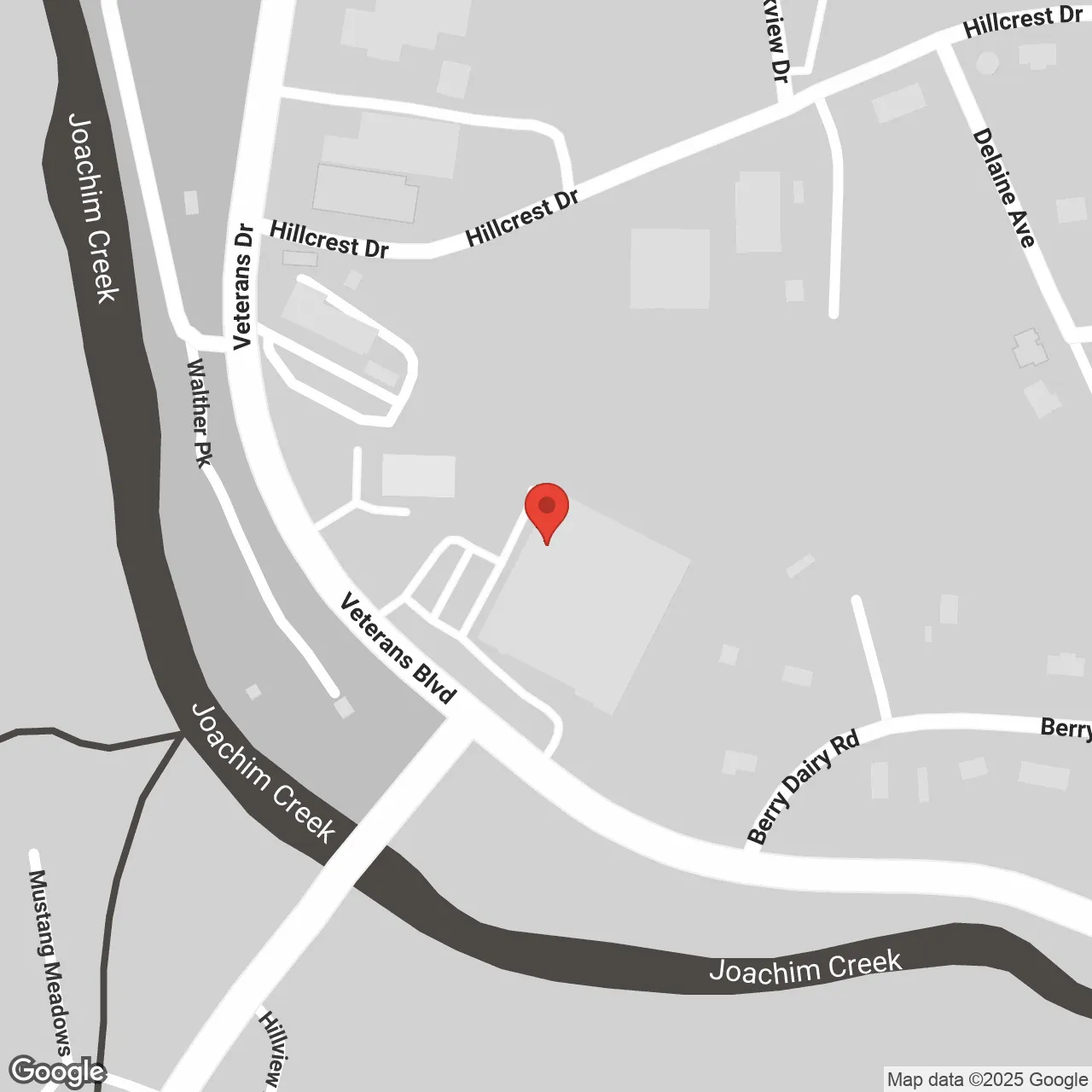
Hvac Repair in Imperial, MO
Restore comfort fast with HVAC repair in Imperial, MO from Sheet Metal Contractors, Inc. Call for heater and air conditioner repair service you can trust!

HVAC Repair in Imperial, MO
When your heating or cooling system fails in Imperial, MO, you need fast, accurate HVAC repair that addresses the root cause and prevents repeat breakdowns. Imperial homes face hot, humid summers and cold winter snaps that place heavy seasonal stress on HVAC equipment. That creates predictable failure patterns, from refrigerant leaks in summer to ignition and heat exchanger issues in winter. At Sheet Metal Contractors, Inc., we explain common HVAC system failures in Imperial, how qualified technicians diagnose problems, what emergency repairs look like, typical repair timelines, what to expect for parts and labor, and practical steps to avoid future issues.
Why timely HVAC repair matters in Imperial, MO
- Hot, humid summers push air conditioners to run longer and work harder to control temperature and humidity, increasing wear on compressors, fan motors, and coils.
- Cold winters and occasional deep freezes stress furnaces and heat pumps and raise the risk of ignition, control failure, and frozen condensate lines.
- Local pollen and cottonwood season can rapidly clog filters and coils, reducing airflow and efficiency.
Getting repairs done promptly restores comfort, reduces energy bills, prevents safety hazards like carbon monoxide or electrical faults, and extends equipment life.
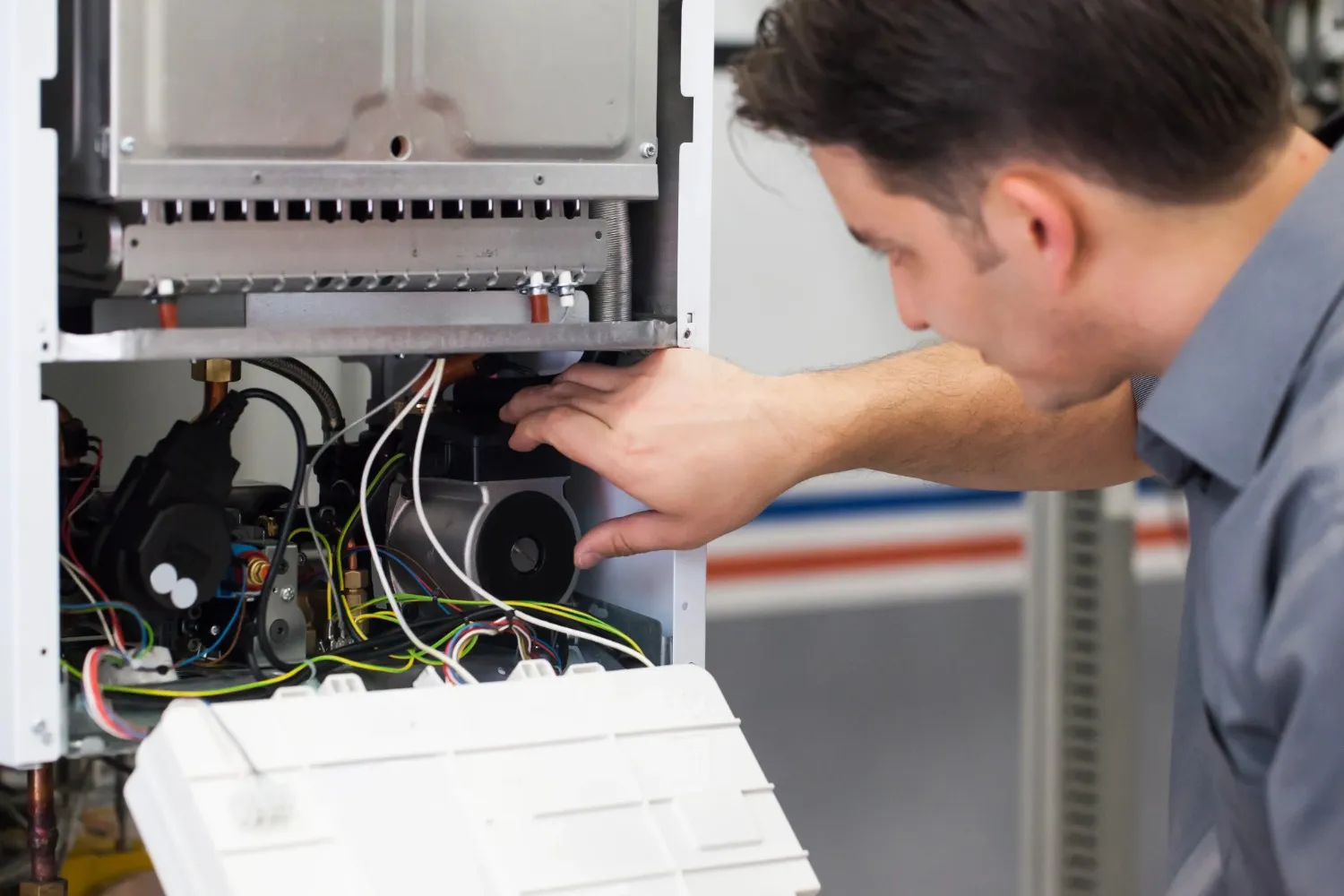
Common HVAC repair issues in Imperial, MO
- No cooling or insufficient cooling: Often caused by refrigerant leaks, compressor failure, or restricted airflow from dirty filters and coils.
- No heating or uneven heating: Can stem from failed ignition systems, flame sensor problems, faulty thermostats, or defective heat pumps.
- Short cycling: Furnace or AC turns on and off repeatedly, typically due to oversized equipment, faulty controls, clogged air filters, or defective blower motors.
- Strange noises: Grinding, squealing, or banging often indicate bearings, blower motor wear, loose components, or failing compressors.
- Frequent tripping of breakers: Electrical shorts, capacitor failure, or locked compressors can overload circuits.
- Water leaks or overflowing drains: Blocked condensate drains, damaged drain pans, or frozen evaporator coils can cause water damage.
- Poor indoor air quality: Clogged filters, dirty ductwork, or failed UV lights and purifiers reduce air quality and system performance.
- Thermostat or control failures: Misreading sensors or wiring faults lead to incorrect temperature control.
How we diagnose HVAC problems (methodology)
A structured diagnostic approach reduces guesswork and unnecessary parts replacement. Typical steps include:
- Visual inspection: Check outdoor unit, indoor air handler, condensate lines, burners, and visible ductwork for obvious damage or obstructions.
- Thermostat and control verification: Confirm setpoints, battery and wiring integrity, and control board fault codes.
- Electrical testing: Measure voltage and current at motors, compressors, and safety controls to identify shorts, open circuits, or failing capacitors.
- Airflow assessment: Measure static pressure and airflow at registers to detect clogged filters, closed dampers, or fan motor problems.
- Refrigeration system evaluation: Check refrigerant charge, pressures, and valve operation to detect leaks or compressor issues.
- Combustion and carbon monoxide testing: For gas furnaces, measure flame characteristics, exhaust drafting, and CO levels to ensure safe operation.
- Leak and moisture inspection: Locate condensate blockages or leaks that can cause secondary damage.
Diagnoses are documented and explained in plain language so you understand recommended repairs versus temporary fixes.
Emergency HVAC repairs and safety-first triage
When systems fail mid-summer or during a cold snap, emergency repairs follow a safety-first protocol:
- Immediate triage: Confirm safety (carbon monoxide checks, electrical hazards) and isolate the faulty component to prevent further damage.
- Temporary measures: Where safe and effective, temporary fixes such as bypassing a failed capacitor, clearing a blocked condensate line, or installing a temporary control are used to restore limited function until permanent repairs are completed.
- Prioritization: Repairs that affect safety or could cause more extensive property damage receive priority.
Emergency repairs are performed with an eye toward durable permanent solutions rather than repeated short-term fixes.
Expected repair timelines
- Minor repairs (filters, drain clearing, thermostat replacement, capacitor swap): Usually completed in 1 to 3 hours.
- Fan motor or blower assembly replacement: Typically 2 to 6 hours, depending on access and parts availability.
- Compressor replacement or major refrigeration work: Often requires 4 to 12 hours on-site and may need a day or two depending on parts lead time and refrigerant handling.
- Heat exchanger replacement, major furnace repairs, or extensive duct repairs: Can take 1 to 3 days depending on parts and any required metalwork or fabrication.
- Complex commercial or rooftop units: Timelines vary widely and may require multi-day scheduling, permits, or crane access.
Seasonal demand in the St. Louis region can extend lead times for hard-to-find parts, so timing can be influenced by the time of year.
Parts, labor, and warranty considerations
- OEM vs aftermarket parts: OEM parts match original equipment manufacturer specifications and preserve factory warranties, while quality aftermarket parts can be cost-effective for older systems. Decisions should consider warranty status and long-term reliability.
- Labor standards: Union-trained technicians follow industry-standard safety and diagnostic procedures, ensuring workmanship that aligns with local codes and best practices.
- Warranty handling: If a component is under manufacturer warranty, repairs may require documented diagnostics and specific replacement parts to maintain coverage.
- Transparent estimates: A clear, itemized estimate should separate parts and labor, identify anticipated trouble areas, and note any contingencies for hidden damage.
When to repair versus replace
Consider replacement when:
- The system is older than 10 to 15 years and repair costs exceed 40 to 50 percent of replacement cost.
- The unit uses phased-out refrigerants such as R22 and requires major refrigerant work.
- Efficiency has dropped significantly and utility bills are rising despite repairs.
- Repairs are frequent and reliability is declining.
A professional evaluation will compare remaining equipment life, efficiency gains from modern systems, and the total cost of ownership.
Proactive steps to avoid future HVAC repairs
- Replace or clean filters every 1 to 3 months during heavy use seasons.
- Schedule preventive maintenance twice a year, with a cooling tune-up before summer and a heating tune-up before winter.
- Keep outdoor units clear of debris, vegetation, and sediment to maintain airflow and coil health.
- Ensure condensate drains are clear and insulated where freezing is possible.
- Install programmable or smart thermostats to reduce unnecessary runtime and short cycling.
- Seal and insulate ducts, especially in crawl spaces and attics, to maintain airflow and system balance.
- Consider UV lights, quality filtration, and scheduled duct cleaning to reduce coil and blower contamination during high pollen seasons in the area.
The long-term benefits of prompt, expert HVAC repair
Prompt, professional HVAC repair restores comfort, improves energy efficiency, reduces the risk of emergency breakdowns, and protects indoor air quality. In Imperial, MO homes where seasonal extremes and local allergens intensify system stress, a proactive repair and maintenance strategy preserves equipment investment and enhances year-round comfort. Trustworthy, skilled technicians provide clear diagnostics, durable repairs, and practical advice to keep your system running reliably for years.
Restore Comfort with Trusted HVAC Repair in Imperial, MO
Your home deserves an HVAC system that works when you need it most. With Sheet Metal Contractors, Inc., you can count on thorough, dependable HVAC repair in Imperial, MO tailored to the unique demands of our climate. We explain every step in plain language, provide honest recommendations, and back our repairs with high-quality parts and workmanship. Learn more about our team, see what your neighbors are saying on our reviews page, and contact us today to schedule your repair with the local experts Imperial homeowners trust.
our service
areas