Heat Pump Installation in Murphy, MO
Stay efficient with heat pump installation in Murphy, MO by Sheet Metal Contractors, Inc. Reliable comfort year-round. Call for a free installation quote!
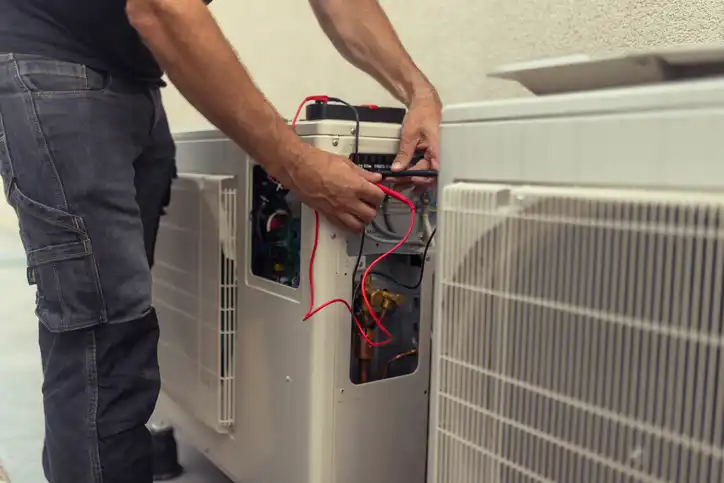
Heat pumps are an efficient, year-round heating and cooling solution well suited to Murphy, MO homes. With hot, humid summers and cold winter snaps, a properly sized heat pump can deliver steady comfort, better humidity control, and lower operating costs than many conventional systems. At Sheet Metal Contractors, Inc., we specialize in tailoring heat pump installations to local conditions, ensuring homeowners get the right balance of performance and efficiency. This page explains the installation process, compares air-source and ground-source options, covers integration with existing ductwork or zoning, outlines expected performance, and summarizes common incentives available to homeowners.
Why choose a heat pump in Murphy, MO
- Efficient heating and cooling for a climate with wide seasonal swings.
- Improved humidity management during humid summers.
- Reduced reliance on natural gas or oil for heating during milder winters.
- Good performance when matched to proper sizing and installation practices common in St. Louis area projects.
As a family-owned, union-based St. Louis contractor, Sheet Metal Contractors, Inc. brings extensive experience in both geothermal and air-source systems. Every installation in Murphy homes is carried out with a focus on durable workmanship and long-term efficiency, ensuring comfort that lasts season after season.
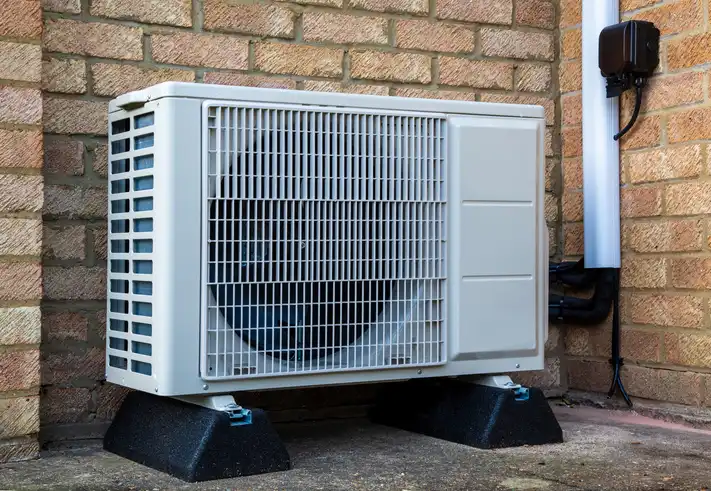
Common heat pump types and how they perform
- Air-source heat pumps
- Extract heat from outdoor air in winter and reject heat outdoors in summer.
- Modern models work well in Missouri winters though efficiency drops at very low temperatures; many systems include backup heat or a cold-climate model to extend performance.
- Typically lower upfront cost and easier installation than ground-source systems.
- Ground-source (geothermal) heat pumps
- Use the earth or groundwater loop to exchange heat, taking advantage of relatively stable underground temperatures.
- Higher initial cost and requires ground loop installation, but delivers very consistent efficiency, especially during cold winters, and longer equipment lifespan.
- Excellent option where yard space and site conditions permit loop installation.
- Ductless mini-splits and multi-zone systems
- Ideal for homes without existing ductwork or where room-by-room control is desired.
- Offer high efficiency and allow zoning with minimal disruption to the building envelope.
Typical installation process
- Site assessment and load calculation
- A thorough on-site assessment evaluates home orientation, insulation, window types, existing HVAC equipment, and ductwork.
- A Manual J load calculation is used to size the system correctly, preventing undersizing or oversizing that reduces comfort and efficiency.
- System selection and options review
- Compare air-source vs ground-source, single- vs multi-zone, and integration needs with existing heating equipment.
- Consider efficiency ratings appropriate for Murphy conditions: seasonal heating performance and cooling efficiency that match your comfort goals.
- Permits and design
- Prepare permit documents, electrical requirements, and any structural planning for outdoor units or ground loops.
- For geothermal, design the loop field (horizontal, vertical, or pond/lake) based on available space and soil/groundwater conditions.
- Site preparation and electrical work
- Prepare pad, concrete slab, or loop trenching areas. Upgrade electrical service or breakers if required to support the new system.
- Coordinate any duct modifications or zoning dampers to ensure proper airflow distribution.
- Installation and integration
- Install outdoor units, indoor air handlers, or geothermal ground loops. Connect refrigerant lines, electrical wiring, and controls.
- Tie into existing ductwork when present, perform duct sealing or add zoning where beneficial.
- For ductless systems, mount indoor units and optimize placement for airflow and noise control.
- Testing, commissioning, and user orientation
- Verify refrigerant charge, airflow, and system controls. Calibrate thermostats and test defrost cycles and backup heat operation.
- Provide homeowner orientation on thermostat programming, filter access, and basic troubleshooting.
- Documentation and warranties
- Provide equipment documentation, maintenance recommendations, and warranty details for equipment and installation workmanship.
Integration with ductwork and zoning
- Existing ductwork: Assess leakiness, sizing, and airflow balance. Leaky or undersized ducts reduce heat pump efficiency; sealing and partial reconfiguration are common.
- Zoning: Adding zone dampers or multiple indoor units enables temperature control for different areas, increasing comfort and efficiency.
- Ductless options: When ducts are impractical or costly to retrofit, mini-split systems deliver efficient, quiet room-by-room control without major construction.
Expected performance and efficiency
- Efficiency is measured differently for heating and cooling: common metrics include SEER for cooling and HSPF or COP for heating performance. Higher numbers mean better efficiency.
- In Murphy winters, air-source heat pump efficiency drops as outdoor temperature falls; choose cold-climate models or pair with efficient backup heat for consistent comfort.
- Ground-source systems maintain high efficiency year-round and typically provide the lowest operating costs over time, offsetting higher upfront investment in the right applications.
- Real-world performance depends on proper sizing, quality ductwork, insulation, and thermostat strategy. Homes with good insulation and optimized controls see the best cost savings.
Common issues with heat pump installations and how they are prevented
- Improper sizing: Leads to short cycling or inadequate comfort. Prevented by accurate load calculations.
- Poor ductwork: Leaks and poor balance reduce system efficiency. Addressed with duct sealing, proper sizing, and airflow testing.
- Incorrect refrigerant charge: Reduces performance and can damage the compressor. Caught during commissioning with precise charge checks.
- Inadequate electrical capacity: Causes tripped breakers or compromised safety. Resolved by electrical inspection and upgrades during design.
- Oversight of defrost cycles or backup heat: Leads to icy outdoor coils or unexpected heating costs. Resolved with appropriate equipment selection and control strategies.
Incentives and financial considerations
- Incentives may be available through federal tax credits, state energy programs, and local utility rebates for high-efficiency heat pumps or geothermal systems.
- Eligibility and amounts vary by program, equipment efficiency, and project scope. Homeowners should confirm current incentives and required documentation before purchase.
- When evaluating cost, compare lifecycle operating savings, maintenance, and expected equipment lifespan—geothermal systems often have higher first costs but lower operating costs over decades.
Maintenance and long-term care
- Annual service checks maintain efficiency: verify refrigerant, test controls, inspect electrical connections, and clean coils or filters.
- Replace or clean air filters regularly and maintain proper airflow around outdoor units.
- For geothermal systems, monitor loop pressures and fluid levels per manufacturer guidance.
- Proper maintenance protects efficiency, prolongs equipment life, and preserves warranty coverage.
Take the Next Step Toward Comfort with Sheet Metal Contractors, Inc.
Ready to experience the year-round comfort and energy savings a professionally installed heat pump can provide? At Sheet Metal Contractors, Inc., our union-trained experts bring decades of experience serving Murphy and the greater St. Louis area with dependable heating and cooling solutions. Whether you’re considering air-source, ground-source, or ductless systems, our team ensures precision installation and lasting performance. Get started today by requesting service online, or see why so many homeowners trust us by reading our customer reviews. Your comfort is our commitment—let’s make your home efficient and comfortable year-round.
our service
areas