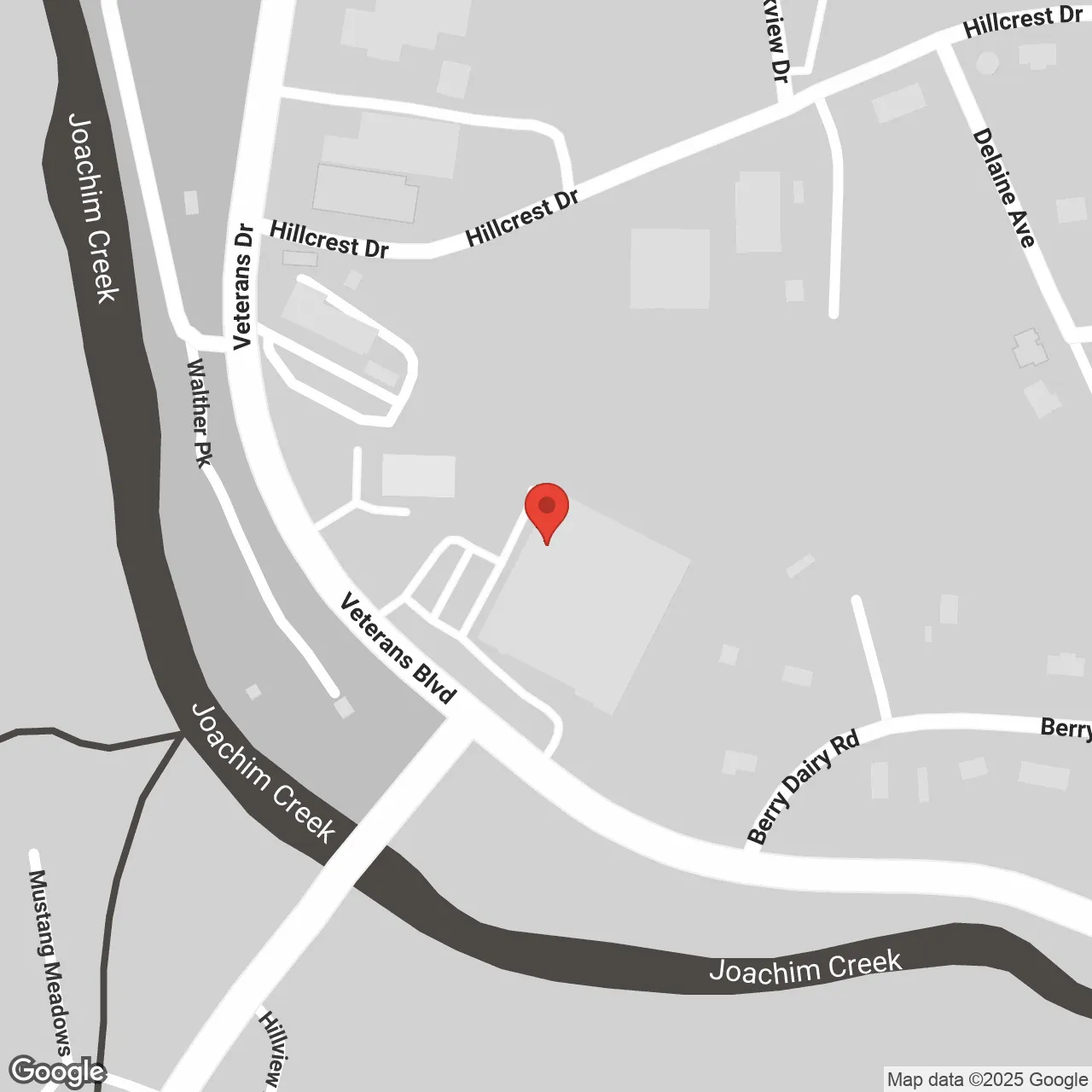
Heat Pump Repair in Murphy, MO
Restore comfort fast with heat pump repair in Murphy, MO, by Sheet Metal Contractors, Inc. Quick, reliable fixes you can trust. Call for immediate repair!
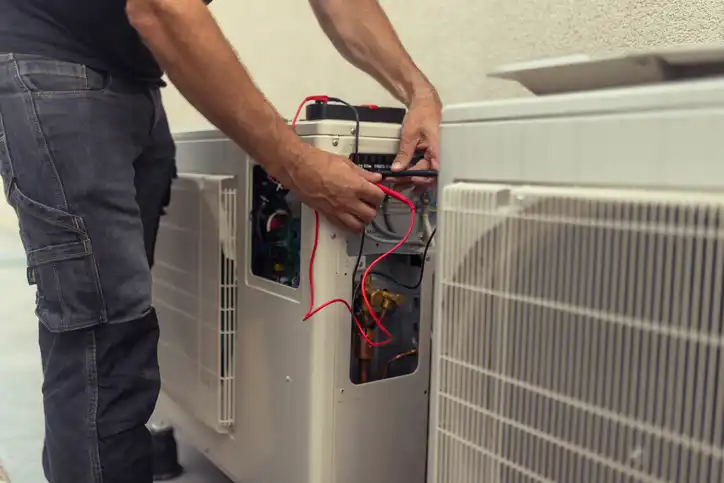
When your heat pump fails in Murphy, MO, it affects comfort year-round. With hot, humid summers and cold snaps in winter, a reliable heat pump keeps homes comfortable and energy bills steady. That’s why homeowners trust Sheet Metal Contractors, Inc. to keep systems running efficiently. This page explains the most common heat pump issues in Murphy, MO, how technicians diagnose problems, typical repair procedures and parts, expected timelines, and emergency repair options—so you can decide whether repair is the right path for your home.
Why timely heat pump repair matters in Murphy, MO
Murphy experiences both heavy cooling loads in summer and demanding heating needs in winter. Running a struggling heat pump increases energy use, accelerates wear on components, and raises the chance of complete system failure during extreme weather. Prompt diagnosis and repair restore comfort and can prevent more costly failures down the line.
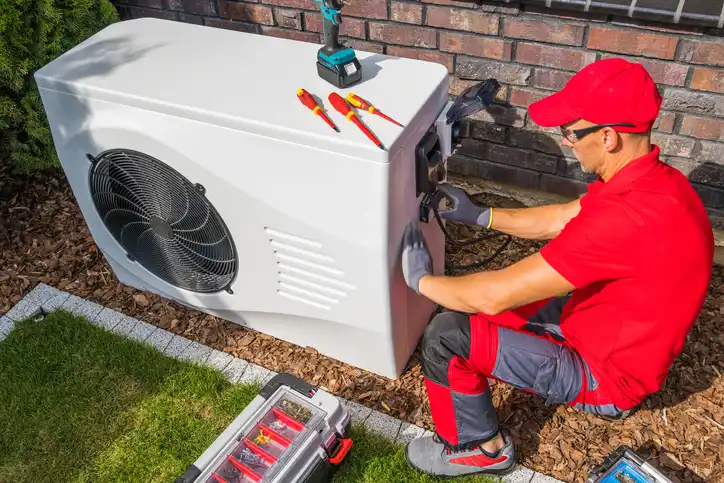
Common heat pump issues in Murphy, MO
Homeowners in the region frequently encounter the same trouble points, often influenced by local climate and home conditions:
- Refrigerant leaks: Low refrigerant reduces capacity and can cause icing in winter. Spring pollen, age-related corrosion, and small line damage can all cause leaks.
- Compressor faults: Over time compressors wear out or fail due to electrical stress, low refrigerant, or mechanical damage.
- Defrost failures: Outdoor coil icing and a defrost system that won’t run leads to poor heating performance during freezing periods.
- Electrical component failures: Contactors, capacitors, relays, and control boards can fail, especially after power surges or heavy cycling.
- Reversing valve or actuator issues: If the unit fails to switch between heating and cooling, the reversing valve or its actuator may be at fault.
- Fan motor or blower problems: Reduced airflow from failing motors or clogged coils creates performance and efficiency problems.
- Thermostat and control problems: Incorrect settings, sensor failures, or wiring issues can mimic equipment failure.
- Airflow and ductwork issues: Dirty filters, blocked returns, or duct leaks reduce system efficiency and can trigger other component failures.
How diagnostics are performed
Experienced technicians follow a methodical diagnostic approach to pinpoint the root cause rather than treating symptoms:
- Visual and safety inspection: Check breakers, disconnects, wiring, coil condition, condensate lines, and clearances around the outdoor unit.
- System start-up and symptom reproduction: Observe startup behavior, listen for unusual noises, and confirm thermostat settings and mode.
- Electrical testing: Measure voltage, current draw, and inspect capacitors and contactors for proper operation.
- Refrigerant and pressure checks: Use gauges to verify refrigerant charge and look for signs of leaks.
- Defrost and control diagnostics: Verify defrost cycle operation, sensors, and control board functionality.
- Airflow measurements: Assess filter condition, duct leakage, and blower performance.
This step-by-step diagnosis typically takes 30 to 90 minutes on-site depending on symptoms and system accessibility.
Typical repairs and parts explained
Repairs range from simple component swaps to complex refrigerant and compressor work. Common repairs include:
- Refrigerant leak repair and recharge: Locate leak, repair or replace the affected tubing or fitting, evacuate air, and recharge to the correct specification. Leak testing and monitoring follow.
- Compressor replacement: Remove and replace the compressor, valve check, and proper evacuation and recharge of the system. This is a major repair that requires careful handling and proper oil/refrigerant matching.
- Defrost control or sensor replacement: Replace faulty defrost board or sensors that prevent proper defrost cycles.
- Fan motor or blower motor replacement: Swap motors and test airflow balance.
- Electrical component replacement: Replace capacitors, contactors, relays, and control boards. These are common quick repairs that restore operation.
- Reversing valve or actuator replacement: Replace malfunctioning valve or actuator that prevents mode change.
- Thermostat replacement or recalibration: Replace or reprogram thermostats and verify control signals.
Parts commonly used include compressors, contactors, run/start capacitors, fan motors, reversing valves, defrost boards, sensors, and refrigerant lines and fittings. Parts availability may affect repair timelines for older or specialty systems.
Repair timelines and decision criteria
Repair time depends on the issue:
- Minor electrical or component swaps: Often completed the same day, typically 1 to 3 hours on-site.
- Refrigerant leak repairs: Time varies by location of leak; many can be completed same day, but complex leaks may require follow-up verification.
- Compressor replacement or major refrigeration work: May require most of a day and careful evacuation and recharge procedures.
- Control board or hard-to-access component work: Time depends on unit access and parts lead time.
When deciding repair vs replacement, consider these factors:
- Unit age: Older systems near the end of expected service life often have diminishing returns from repairs.
- Frequency of repairs: Repeated breakdowns suggest replacement may be more economical.
- Refrigerant type: Older R22 systems can be more expensive to service due to refrigerant availability; replacement with modern refrigerants may be more practical.
- Efficiency and performance needs: Newer systems deliver better efficiency and improved comfort control.
Emergency repair options to restore heating or cooling quickly
During extreme weather, emergency measures prioritize safety and short-term comfort:
- Safety isolation and temporary bypasses: Technicians will isolate failed circuits and restore safe operation where possible.
- Temporary mode change or auxiliary heat: Switching to emergency heat or enabling auxiliary heat can restore warmth until a repair is completed.
- Quick component swaps: Replacing common failure parts like capacitors or contactors can often get a unit running the same day.
- Temporary cooling or heating alternatives: Portable heating or cooling can be recommended while major repairs are scheduled.
- Staged repair approach: Stabilize the system immediately and plan follow-up repairs for more complex issues like compressor replacement.
Emergency response focuses on restoring function safely and preventing further damage.
Maintenance and prevention advice
Regular maintenance reduces emergency repairs and extends system life. Recommended practices for Murphy, MO homes:
- Change filters on schedule and during high pollen seasons.
- Keep at least 2 feet of clearance around the outdoor unit and clear leaves and debris seasonally.
- Schedule annual tune-ups that include refrigerant checks, electrical testing, and defrost cycle verification.
- Inspect ductwork periodically for leaks and proper insulation, particularly in older homes common in the region.
- Monitor thermostat performance and avoid frequent mode switching.
Regular preventive care is the best way to avoid high-stress failure during peak heat or cold.
Trust Sheet Metal Contractors, Inc. for Your Heat Pump Repair in Murphy, MO
When your comfort is on the line, Sheet Metal Contractors, Inc. is the team Murphy homeowners trust for fast, reliable heat pump repair. Backed by years of experience and a reputation for quality service, we’re here to restore your system’s performance and efficiency—no matter the season. Learn more about our values and expertise on our About page. Ready to schedule service? Request help today through our Contact page. Still deciding? See why your neighbors recommend us by reading our Customer Reviews.
our service
areas