The benefits of installing a metal roof: energy savings, lasting durability, and smarter long‑term value
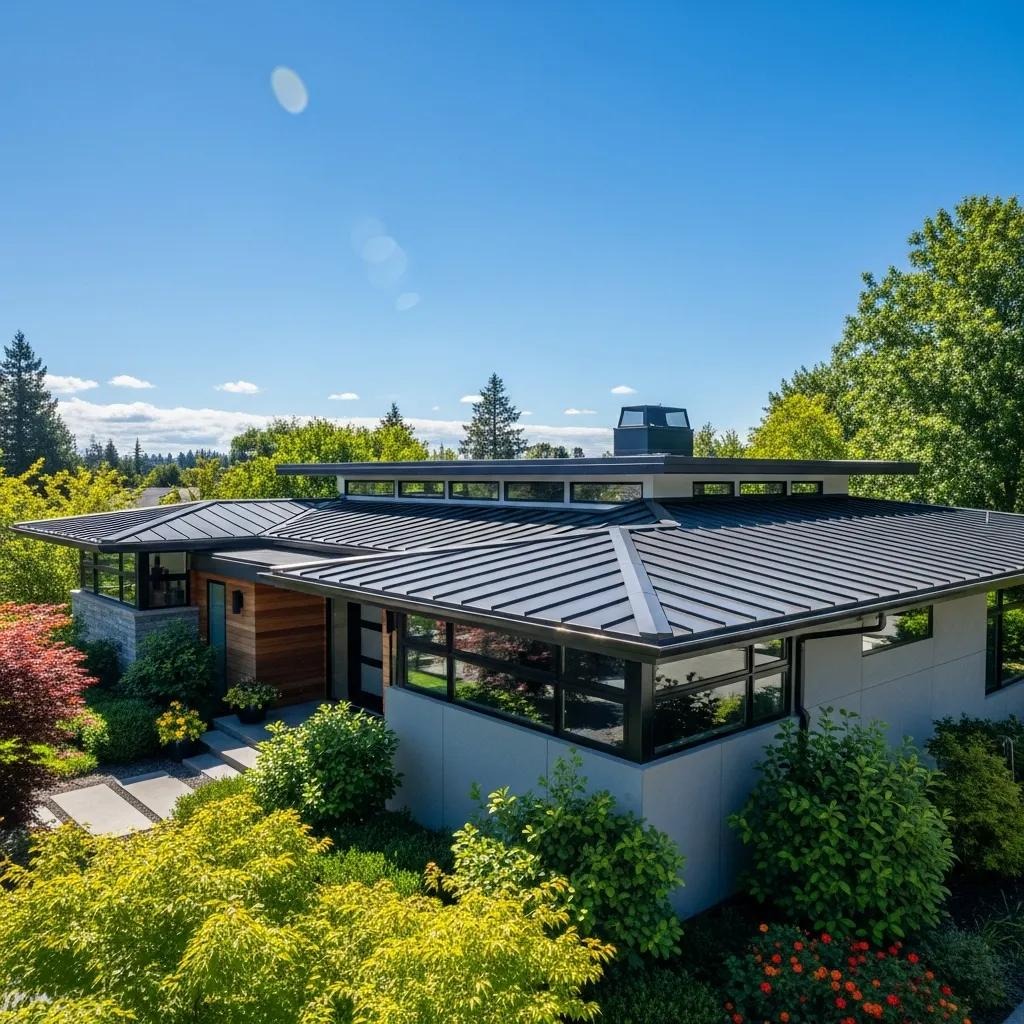
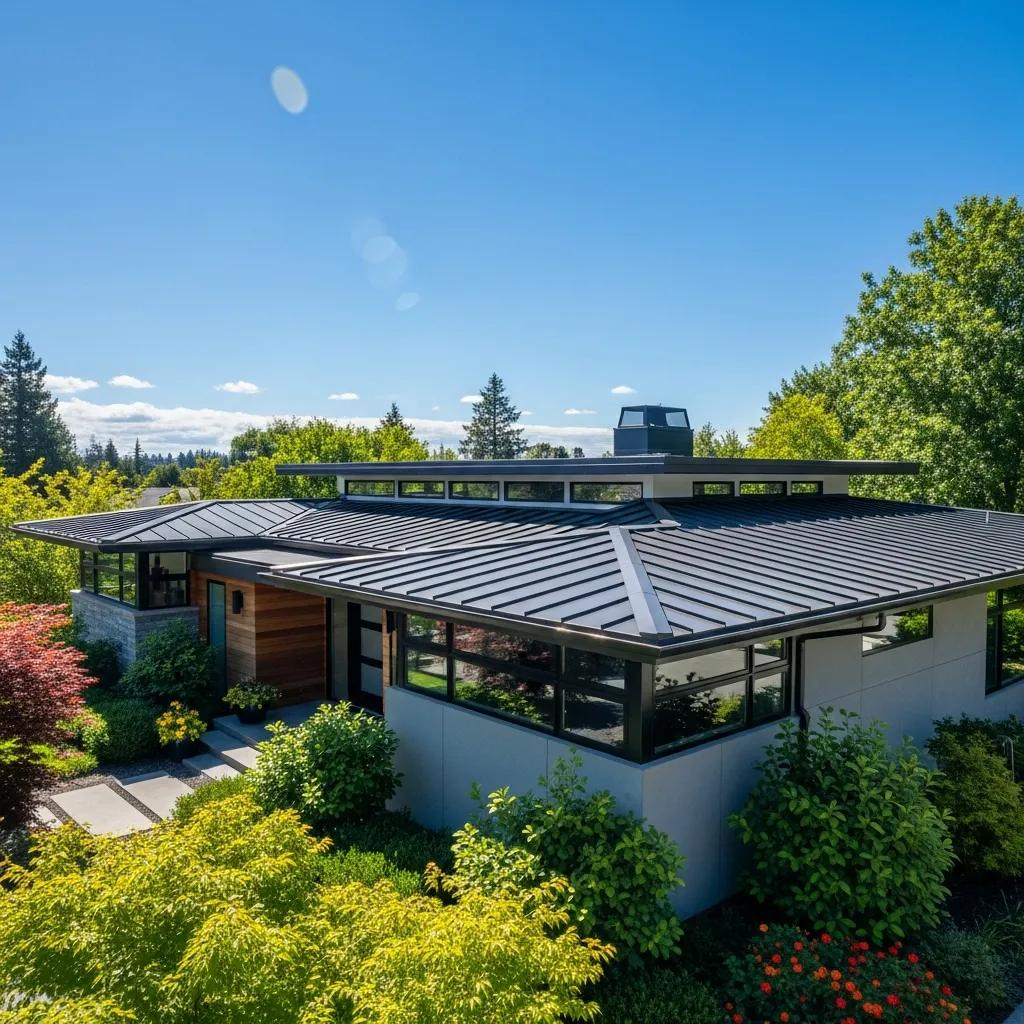
Choosing a metal roof can materially improve your home’s comfort, performance, and longevity. Metal roofing stands out for energy efficiency, rugged durability, and potential lifetime cost savings — which is why more homeowners are choosing it today. Below we break down how metal roofs cut energy use, resist severe weather, and deliver long‑term value. We also cover how metal roofing works with SMCI HVAC Services , what to expect during installation, and the environmental benefits. With these facts, you’ll be better equipped to compare roofing options and decide what’s right for your property.
Key energy-efficiency advantages of metal roofing
Metal roofs offer several clear energy benefits that can lower utility bills and improve indoor comfort. A major advantage is their ability to reflect solar heat, which helps keep interiors cooler in summer. That reflective quality can cut cooling costs by a significant percentage in many cases. Many metal roofing systems also include insulating underlayers or compatible insulation upgrades that boost thermal performance and compound those savings. Choosing lighter colors or reflective coatings enhances the reflectivity; conversely, well‑specified darker finishes combined with insulation can still support good winter performance where heat retention is important.
How a metal roof can improve HVAC performance
By reflecting heat and reducing attic temperatures, a metal roof lightens the load on your HVAC system. That means your air conditioner and furnace don’t have to work as hard, which lowers energy use and can extend the useful life of HVAC equipment. In short: less strain on your system, lower bills, and a steadier indoor temperature year‑round. When a roof reduces attic heat, it also reduces temperature-driven air leakage from the attic into living spaces; combining a metal roof with proper attic ventilation and duct sealing produces the best results.
How metal roofs cut cooling and heating costs
The efficiency gains from metal roofing translate directly into lower energy bills. Many homeowners see up to about a 20% reduction in summer cooling costs, while proper installation and insulation help retain heat in winter. That two‑way performance — cooling in summer, retention in winter — makes metal roofing a cost‑effective choice over time. Because energy savings compound year after year, the roof’s reduced operating costs contribute to a lower total cost of ownership; in practice, homeowners often notice a steadier indoor temperature and fewer HVAC runtime spikes during extreme weather.
Why durability is a core advantage of metal roofs
Durability is where metal roofing truly stands out. Metal panels are built to resist high winds, heavy rain, hail, and other common weather stresses. Unlike some traditional materials, metal won’t crack or warp as easily, so it keeps protecting your home and looking good for decades. With routine care, a metal roof often lasts 50 years or more. Different metal finishes and factory-applied coatings also reduce fading and corrosion, preserving both function and curb appeal over the long run.
How metal roofs hold up in severe weather
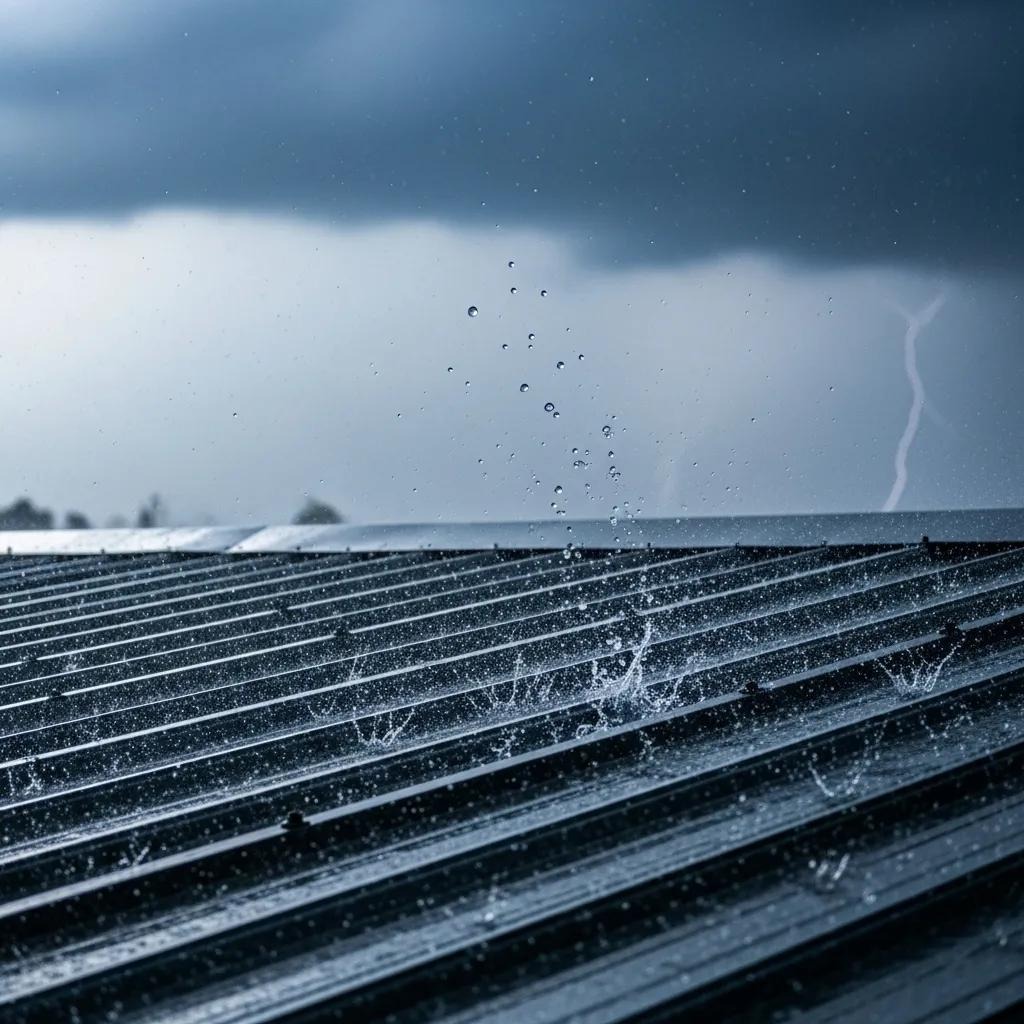
Metal roofing is engineered for strength and weather resistance. Its lightweight, rigid panels resist uplift in high winds and are designed to channel water away to prevent leaks. Metal roofs also tolerate hail and falling debris better than many other materials, giving homeowners greater protection and peace of mind during storms. In regions with snow, metal panels help snow slide off the roof surface, reducing the duration of heavy snow loads; installers can add snow retention where needed to control shedding near gutters and entries. Many metal roofing materials are also non‑combustible, which can be an important consideration in fire‑prone areas.
Expected lifespan of a metal roof versus other materials
Compared with common options like asphalt shingles, metal roofs offer a much longer service life. Asphalt typically lasts 20–30 years; properly installed metal roofing can exceed 50 years with minimal upkeep. That longevity means fewer replacements and lower lifetime roof costs. Warranties vary by material and finish, so reviewing manufacturer coverage and the installer’s workmanship warranty is important when weighing long‑term value.
How metal roof installation delivers long-term cost savings
Installing a metal roof is an upfront investment that often pays back over time. Metal roofs need fewer repairs, are resistant to mold and rot, and require less routine maintenance than many alternatives. Those factors — combined with energy savings and increased curb appeal — can translate into meaningful long‑term savings and a higher resale value for your home. In addition, because metal panels are lightweight, they may not require the same structural reinforcement as heavier roofing products, which can reduce project complexity in some installations.
Maintenance and repair advantages of metal roofing
Metal roofs generally require less routine maintenance than traditional roofs. Typical upkeep is limited to periodic cleaning and inspections to check fasteners and flashings. Because metal resists mold, mildew, and pests, homeowners often spend less on repairs over the roof’s lifetime — a practical benefit for busy households. Regular inspection seasons—after winter and after storm seasons—help spot minor issues before they grow; simple tasks like clearing debris, checking gutter function, and replacing any worn sealant around penetrations keep the roof performing well for decades.
How metal roofing affects property value and insurance
A metal roof can boost your home’s resale value thanks to its durability and energy performance. Many insurers also recognize the reduced risk of weather damage and may offer lower premiums for homes with metal roofing. Taken together, these factors can make a noticeable financial difference when you sell or insure your property. In markets where longevity and low maintenance are valued, a well‑installed metal roof is often highlighted in listings and can attract buyers who prioritize long‑term durability and reduced operating costs.
How metal roofing and HVAC services work together
Coordinating metal roofing and HVAC work can amplify energy savings and overall home performance. When both systems are properly specified and installed, they complement each other — improving comfort, reducing energy use, and protecting mechanical equipment. For example, roof upgrades that lower attic temperatures help HVAC systems run more efficiently; pairing that with sealed and insulated ductwork ensures the gains reach living spaces rather than being negated by distribution losses.
Why combining metal roof installation with HVAC tune‑ups makes sense
Scheduling an HVAC tune‑up during or after metal roof installation ensures both systems operate efficiently together. When your roof reduces attic heat and your HVAC system is calibrated, the whole home performs better — which typically lowers utility bills and improves comfort. Coordinating timing also lets contractors identify interactions such as attic ventilation needs or ductwork adjustments that can improve overall performance and reduce the chance of moisture issues in the roof assembly.
Benefits of scheduling professional roof and HVAC maintenance together
Bundling maintenance for your metal roof and HVAC system saves time and can reduce service costs. Coordinated inspections let technicians identify issues that affect both systems, streamline repairs, and help maintain peak efficiency across your home’s envelope and mechanical systems. Keeping a joint maintenance record also helps when selling the home—documented, coordinated service histories demonstrate proactive upkeep and can support resale discussions.
What property owners should know about metal roof installation
Knowing the installation process helps you get the most from a metal roof. Proper installation by experienced professionals is essential to ensure performance, weather tightness, and longevity. Hiring qualified roofers and confirming references will protect your investment. In addition to credentials, ask about past projects in your climate, examples of finished work, how the crew handles flashing details, and how they coordinate with other trades such as HVAC or solar installers if those systems are present.
Typical steps in a metal roof installation
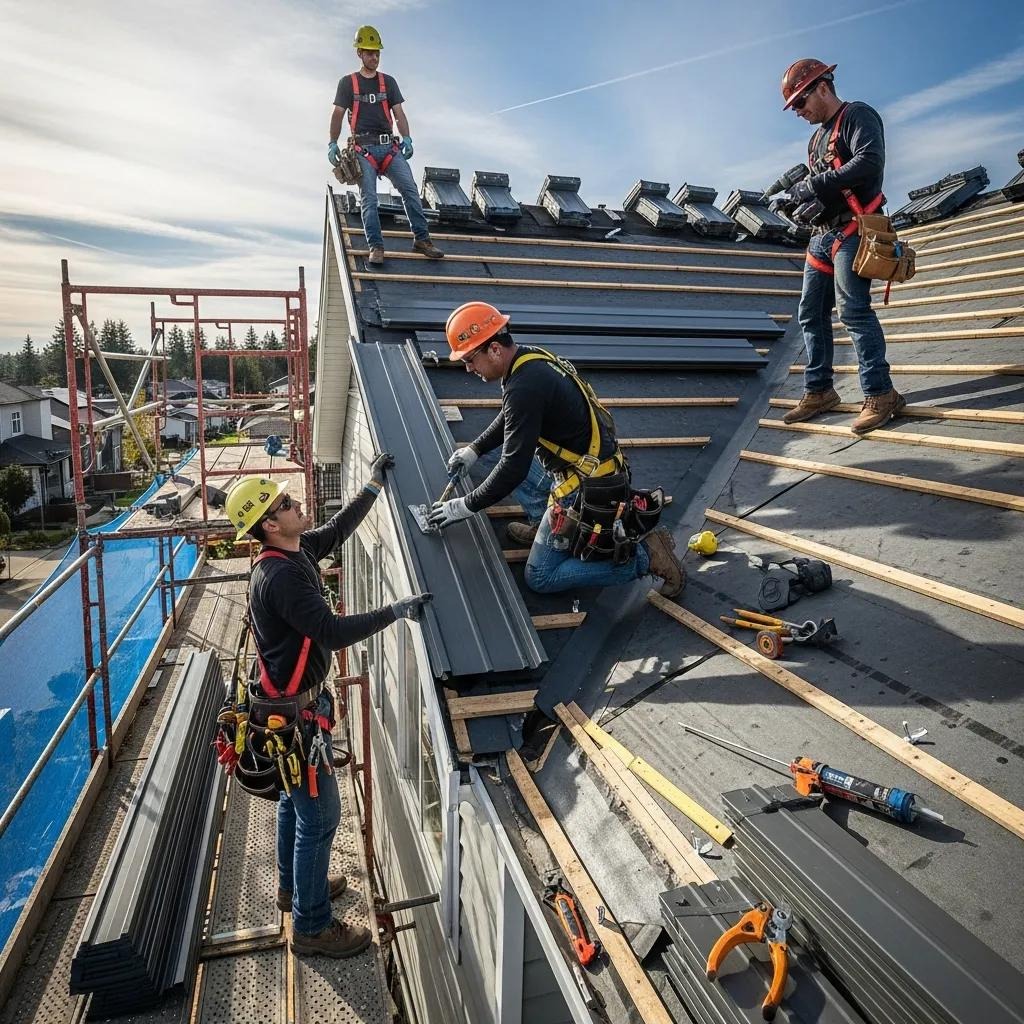
Installation usually starts with either overlaying or removing the existing roof, then adding a breathable underlayment and any required insulation. Metal panels are installed and fastened with attention to alignment, sealing, and flashings. Finally, trim and edge work finish the job to ensure a watertight, attractive result. Other important steps include site protection to prevent damage to landscaping and a plan for disposition of old roofing materials; installers should also confirm permit requirements and scheduling to minimize disruptions.
How to schedule professional metal roof installation and services
Booking professional metal roof work is straightforward: contact local contractors who specialize in metal systems, request written estimates, and check references and warranties. Comparing multiple bids and asking about previous projects will help you choose a reputable team and secure a successful installation. When reviewing proposals, compare line‑item pricing for materials, labor, waste disposal, and any required structural work; ask about lead times for panels and finishes so you can plan around seasonal weather windows.
Metal roofs and environmental sustainability
Metal roofing is an environmentally responsible option for homeowners who want lower impact materials. Many metal roofs use recycled content and are fully recyclable at end of life. Their energy performance also supports greener building practices. Because they last longer than many alternatives, metal roofs reduce the frequency of replacement cycles and the associated material waste and emissions from manufacturing and disposal.
Environmental impact of choosing metal roofing materials
Selecting metal roofing reduces landfill waste because panels are recyclable and often contain recycled material. Because they last significantly longer than some alternatives, metal roofs also reduce the frequency of replacement waste over a property’s lifetime. Choosing high‑quality coatings and finishes extends service life further, which improves the roof’s environmental profile over multiple decades.
How metal roofs support energy‑efficient building practices
Metal roofs improve a building’s overall energy profile with reflective coatings and proper insulation, which can reduce urban heat island effects and lower cooling demand. They may also help qualify projects for green building certifications, making them an attractive option for sustainability‑minded homeowners. In many installations, metal panels are compatible with rooftop equipment mounts and integrated solar systems, so owners can combine roofing upgrades with renewable energy and further reduce operational carbon.
Common questions about metal roofing advantages
Homeowners frequently ask about lifespan and cost. The answers below summarize what most owners can expect when they choose metal roofing over traditional materials. We address practical concerns such as maintenance, noise, and compatibility with attic systems so you can make an informed decision.
How long does a metal roof last?
With correct installation and routine checks, metal roofs commonly last more than 50 years — far longer than standard asphalt shingles, which usually last 20–30 years. That durability underpins much of the long‑term value of metal roofing. Regular inspections, prompt attention to sealant and fastener issues, and keeping gutters and flashings clear are the main maintenance actions that preserve service life.
Are metal roofs cost‑effective compared to asphalt shingles?
While the initial outlay for metal roofing is often higher, the durability, lower maintenance needs, energy savings, and potential insurance or resale benefits typically make metal roofs more cost‑effective over their lifetime compared with asphalt shingles. Cost‑effectiveness depends on local labor and material prices, roof complexity, and how long you plan to stay in the house; evaluating lifetime costs rather than first‑year price gives a clearer picture of value.
Ready to Upgrade Your Roof? Contact SMCI HVAC Services Today
Discover how a professionally installed metal roof can enhance your home’s energy efficiency, durability, and value. Trust SMCI HVAC Services for expert installation and seamless coordination with your HVAC needs. Get started by requesting a consultation and multiple estimates to find the best solution for your property.