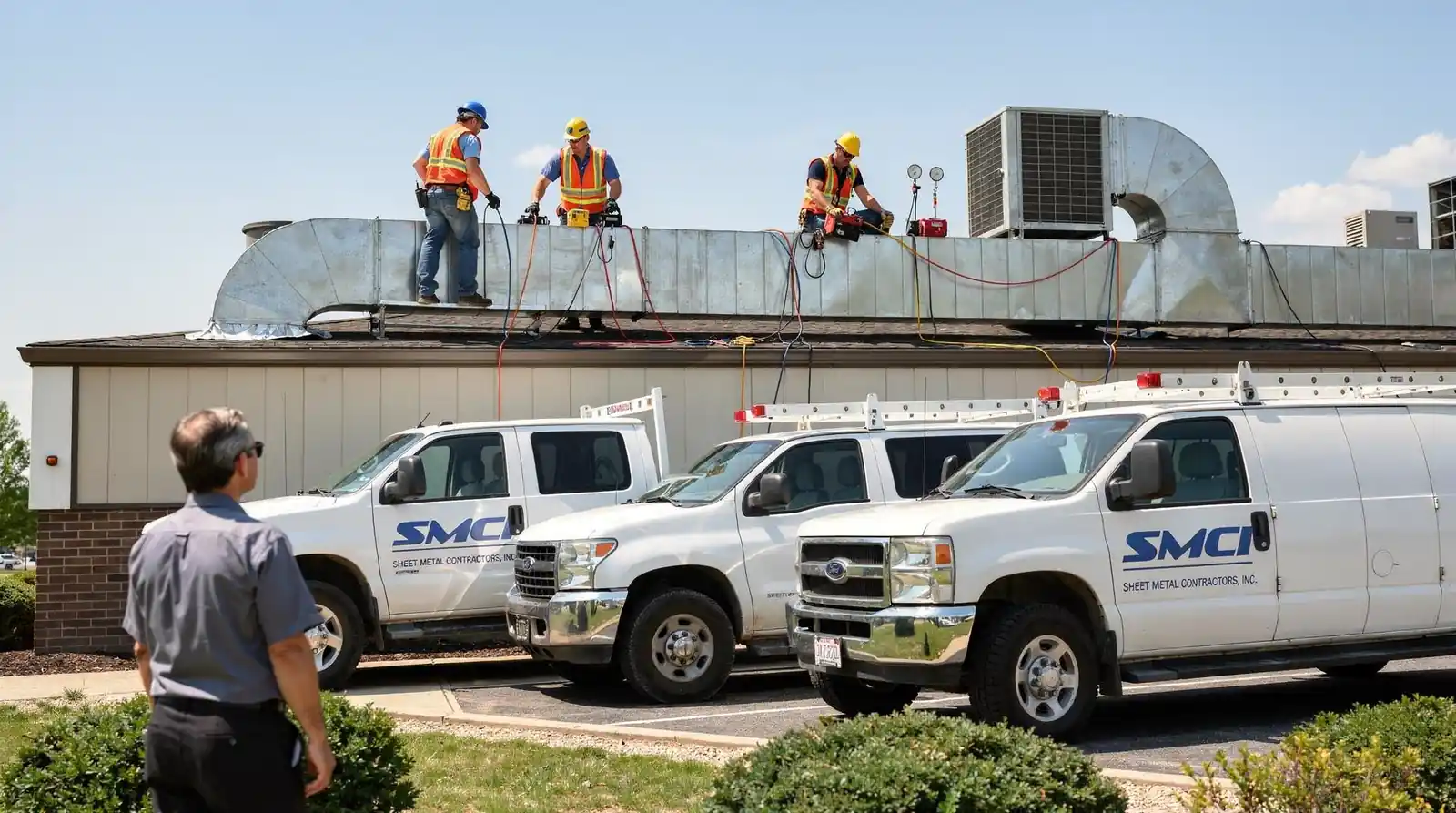
HVAC Emergency Prep: Essential Steps for Readiness
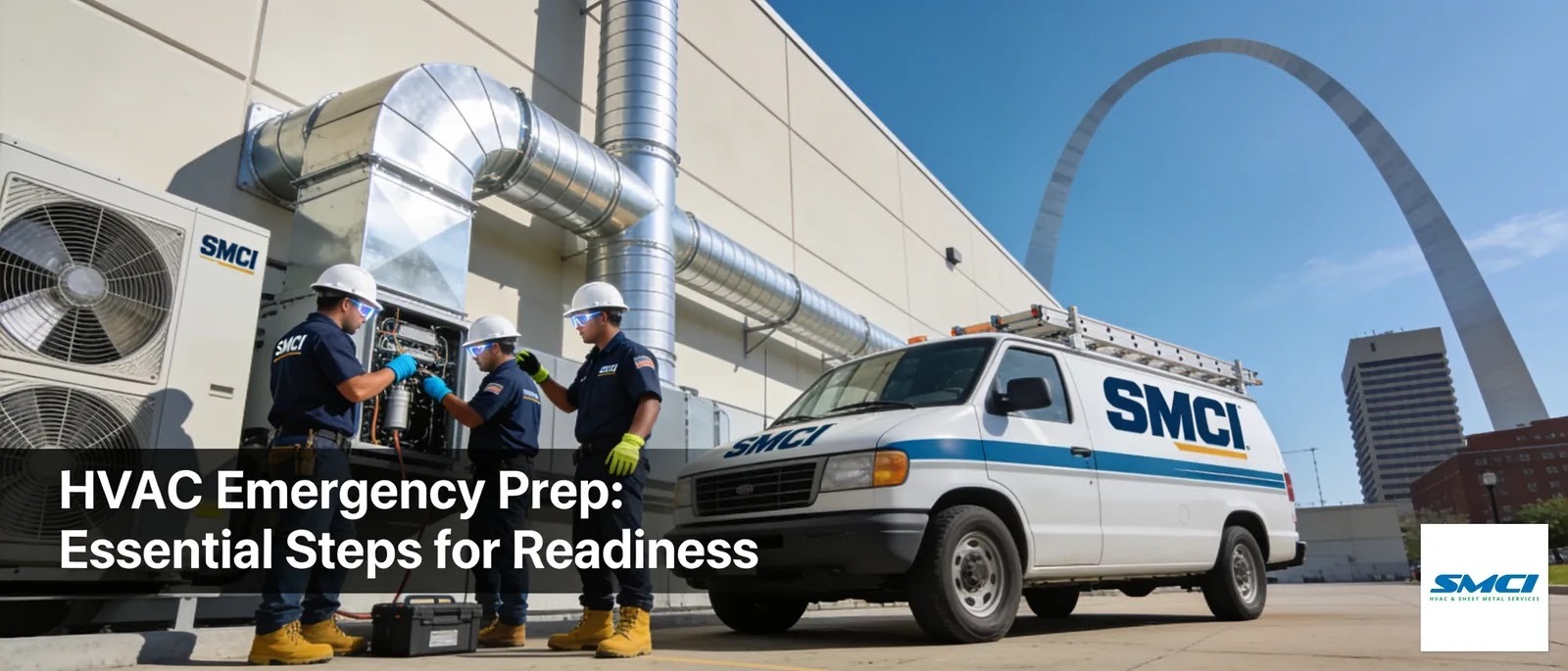
At Sheet Metal Contractors, Inc., we believe preparation starts with partnering with an established HVAC provider that delivers around-the-clock emergency response. We recommend that businesses schedule routine HVAC inspections, maintain backup system contacts, keep replacement parts stocked, and establish service agreements before breakdowns occur, minimizing costly downtime. We build our preparation around a proactive emergency response plan, ongoing safety practices, and a trusted HVAC team on call. Sheet Metal Contractors, Inc. exemplifies the staffing scale needed to handle disasters, winter breakdowns, and peak-season HVAC failures before they escalate. Preparedness starts with knowing warning signs: strange noises, weak airflow, or water pooling near ductwork. We recommend keeping filters, breaker locations, and shut-off valves accessible year-round. We offer 24-hour emergency HVAC service across De Soto, MO, so facility managers and homeowners can reach our trained team immediately when equipment fails during extreme heat or cold.
Key Takeaways
- Sheet Metal Contractors, Inc. employs a full-time HVAC and sheet metal team requiring emergency preparedness training.
- Natural disasters including hurricanes, tornadoes, floods, wildfires, and earthquakes threaten HVAC infrastructure and project timelines.
- Winter HVAC breakdowns require immediate situation assessment to identify specific problems and minimize disruption.
- Sheet metal workers need specialized training on hazards, equipment, and best practices for safety.
Why Do HVAC Systems Fail at the Worst Time?
Furnaces and air conditioners break down most often during the hottest and coldest stretches of the year. Exactly when homeowners and property managers need them running. Peak temperatures force equipment to work harder than at any other point in the year. That extra strain wears down components faster. We see this pattern every summer and winter across the properties we service.
The mechanics behind this are straightforward. A furnace pushed to keep a building warm during a deep freeze runs longer cycles with less rest. An air conditioner fighting a heat wave does the same in reverse. That sustained workload accelerates wear on motors, compressors, and electrical connections that might otherwise last years longer.
Why does my AC or furnace always break at the worst possible time?
Extreme weather doesn't cause failure by accident — it exposes weaknesses that were already there. A worn belt or a strained capacitor holds up fine under light use but fails once temperatures spike. That's why breakdowns cluster during heat waves and cold snaps rather than spreading evenly throughout the year.
Recognizing this pattern is the foundation of any solid HVAC emergency prep strategy. Once we know when failures are likely, we can act before they happen instead of scrambling afterward. That shift — from reactive to proactive — is at the heart of preventative emergency care. It's also why a documented sheet metal emergency plan matters for commercial properties with complex ductwork and rooftop units.
When equipment does fail despite preparation, response time matters. We provide rapid, professional emergency HVAC service designed to restore comfort and safety quickly, getting essential systems back online with minimal disruption to your home or business.
What Counts as a True HVAC Emergency?
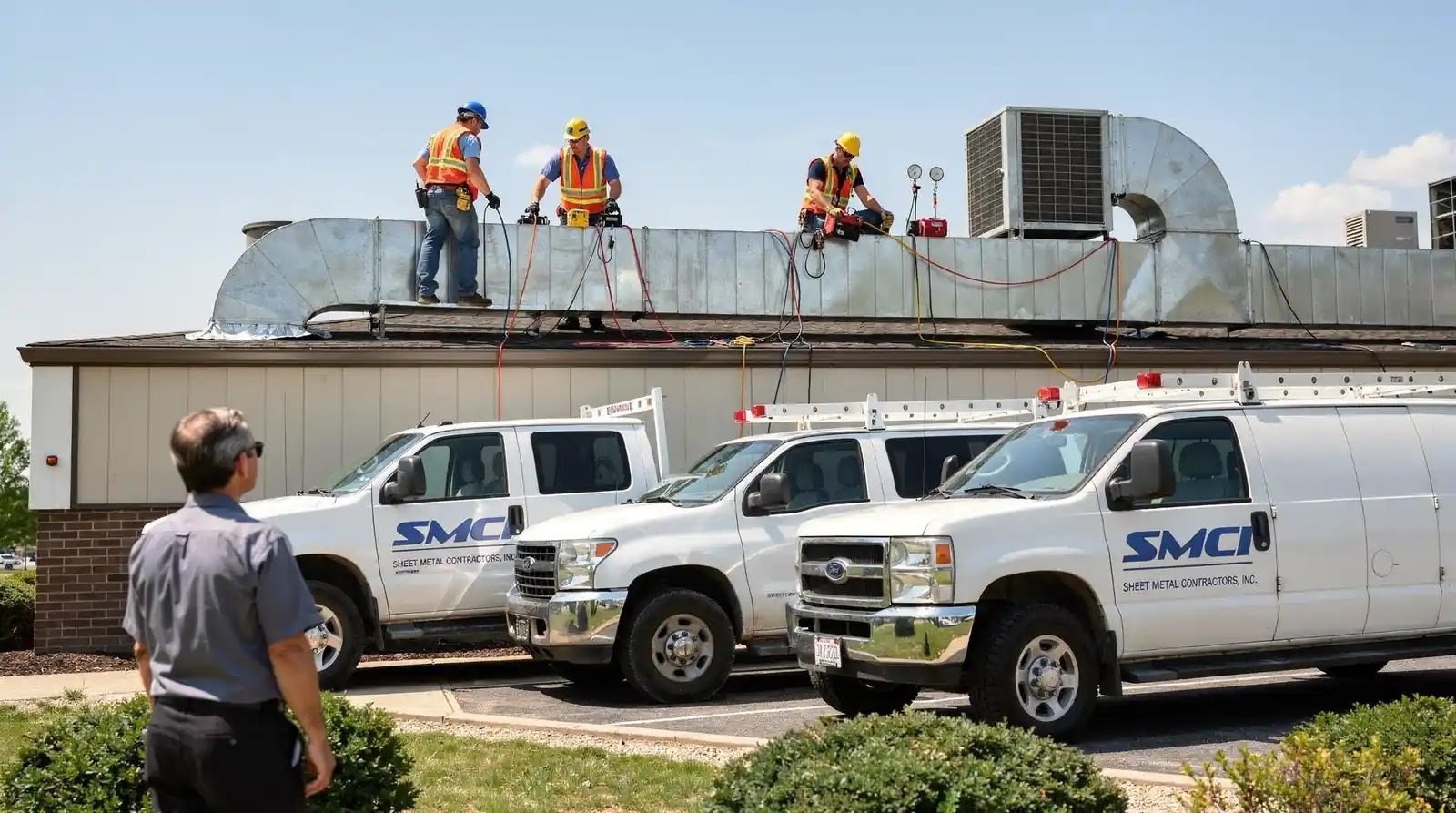
Not every HVAC issue rises to emergency status. Some problems wait until morning; others threaten safety within minutes. We built our approach to HVAC emergency prep around one principle: know the difference before trouble strikes, not during.
A true emergency shares one trait: risk grows the longer the system sits broken. Extreme heat or bitter cold turns a stalled furnace or dead air conditioner into a health hazard, not just a discomfort. When indoor temperatures swing to dangerous extremes, we treat that as urgent, and we respond around the clock.
How do I know if my HVAC problem is an emergency?
Certain warning signs separate a genuine crisis from a routine repair. We recommend watching for these before deciding whether to wait for a scheduled visit:
- No heat or cooling during dangerously hot or cold weather
- Burning smells, smoke, or visible sparking near the unit
- Gas odor near a furnace or water heater connection
- Water pooling around indoor equipment
- Strange grinding or screeching noises paired with total system shutdown
Any of these signals means the system needs attention now, not later.
What should facility managers check before calling for help?
Property managers can safely verify a few basics first. Check thermostat settings, breaker panels, and visible obstructions around outdoor units. These quick checks sometimes solve the issue outright and save an unnecessary service call.
If the problem persists, professional help is the safer route. Our team applies the same sheet metal emergency plan thinking to commercial ductwork failures as we do to residential breakdowns. Both carry real safety and comfort stakes. We restore indoor comfort and peace of mind through consistent, preventative emergency care, backed by expert response whenever a true emergency occurs.
What Should You Check Before Calling for Help?
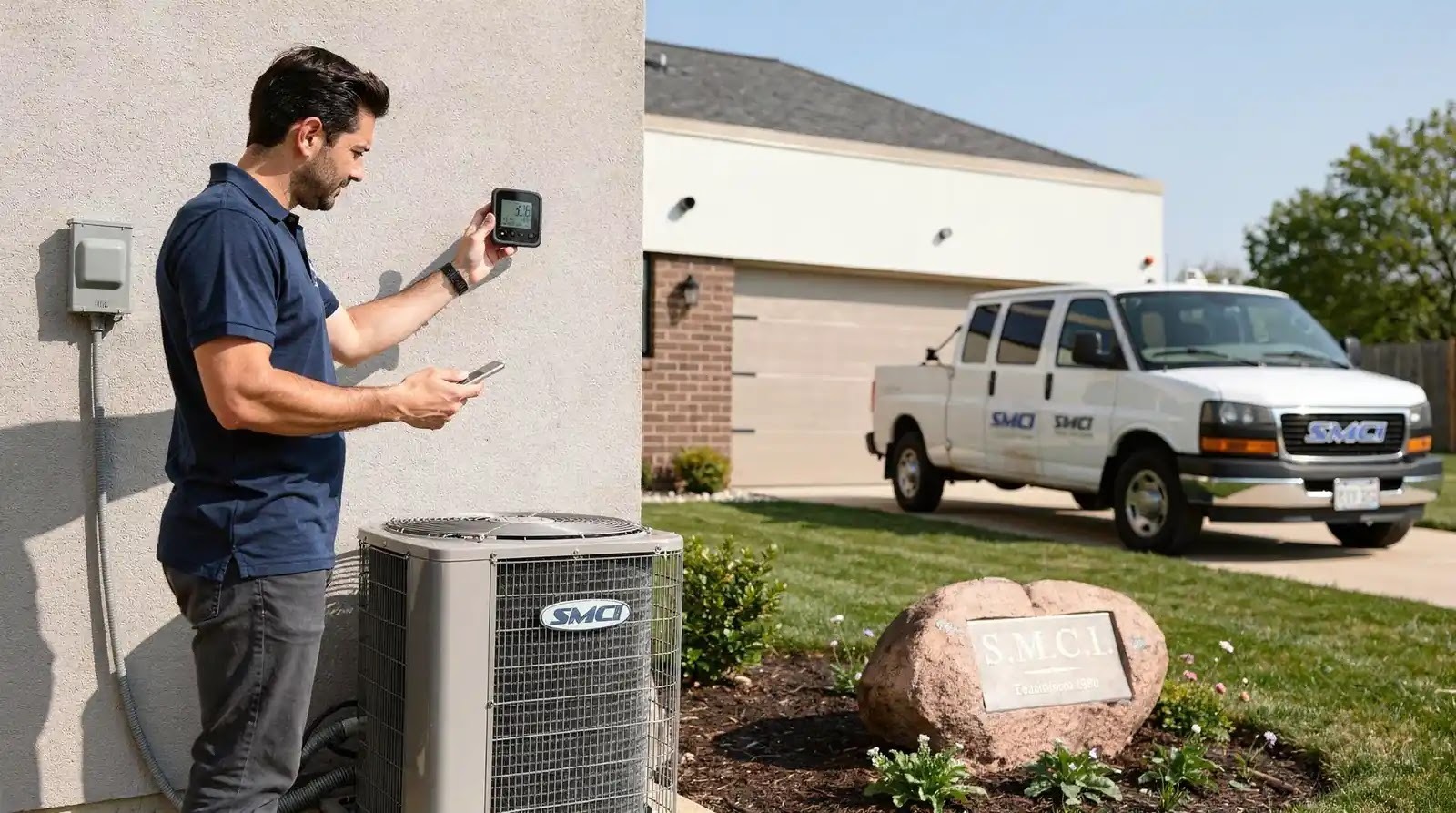
Three quick checks separate a real HVAC breakdown from a five-minute fix. We built our HVAC emergency prep guidance around this order because it saves homeowners and property managers time, money, and unnecessary stress. Working through these steps first also sharpens the details you can hand off to a technician if the problem turns out to be bigger than a loose setting.
What's the first thing to check during a heating or cooling breakdown?
We always start by identifying the specific problem. Is there no heat at all, no cool air, or an unfamiliar noise coming from the unit? Naming the exact symptom narrows down the cause and speeds up any repair conversation that follows.
Next, we look at the obvious culprits before assuming equipment failure. A surprising number of broken systems are simply set wrong or blocked.
- Confirm the thermostat is set to the correct mode and temperature.
- Check batteries or power connections on the thermostat itself.
- Walk outside and clear leaves, snow, or debris away from the outdoor unit.
- Listen for whether the system runs at all or just fails to reach the set temperature.
When should you stop troubleshooting and call for help immediately?
Any hint of a gas smell, visible fire, sparking, or exposed wiring means stop immediately. We advise evacuating the area and calling emergency services first, before touching the system again. This isn't a step to problem-solve alone; a sheet metal emergency plan exists precisely for these moments. Safety always outranks convenience.
Once safety hazards are ruled out and the basics check out clean, that's when a call to our team makes sense. Consistent preventative emergency care on your system's schedule reduces how often you'll face this checklist in the first place. We're ready to step in the moment self-checks reach their limit.
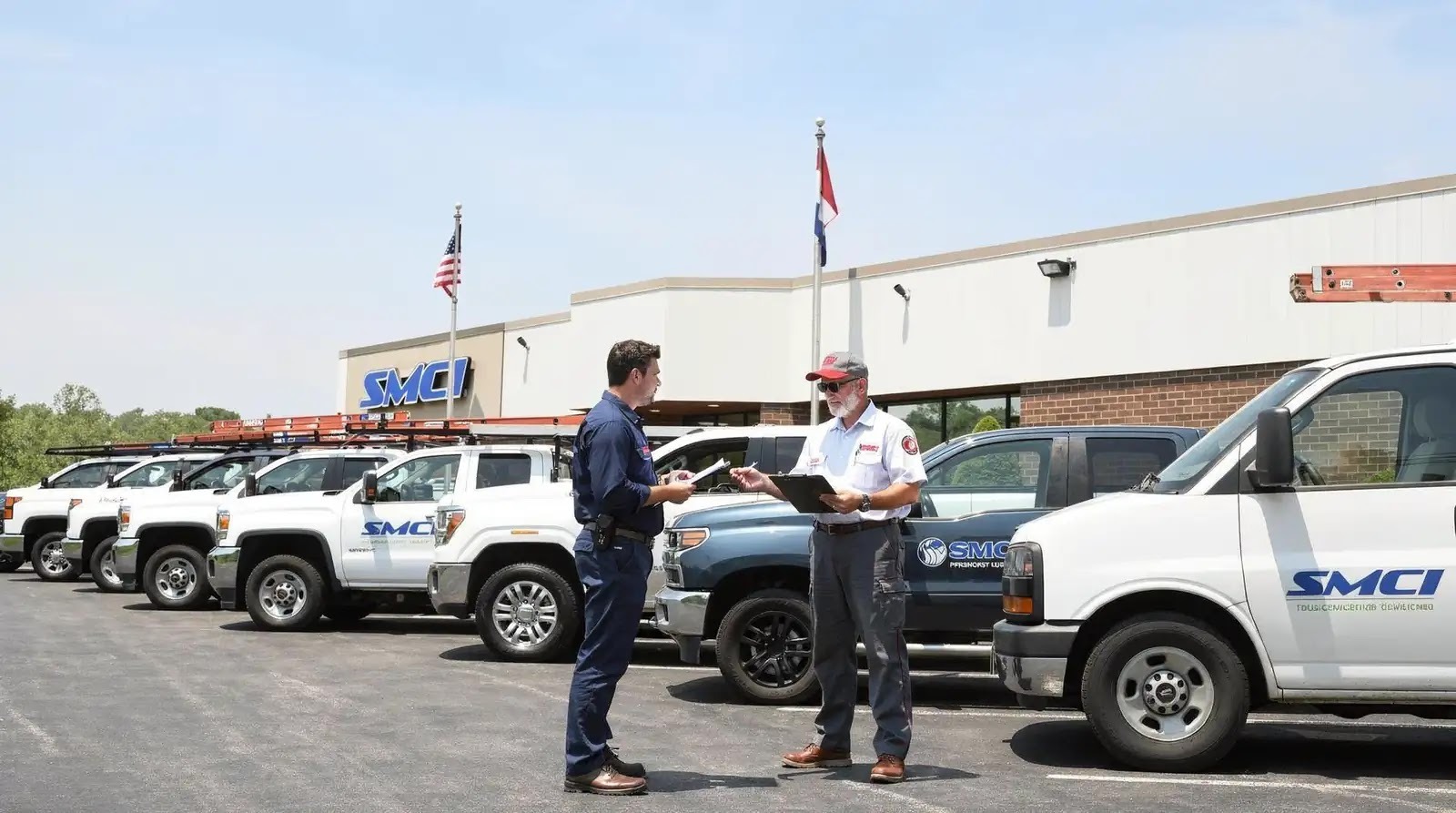
How Do You Reach the Right Technician Fast?
Speed depends on having a direct line ready before trouble starts, not after. Once we've walked homeowners and property managers through assessing a breakdown, the next move is calling a trusted HVAC technician for immediate assistance. Waiting until the furnace dies at midnight is the wrong time to search for a phone number.
That's why HVAC emergency prep starts with saving our contact information now, not scrambling later. We built our operation to answer around the clock, offering true 24-hour emergency service so no one goes without heat. Cooling simply because a system fails after hours or on a weekend. We have grown into a full-service mechanical contractor, staffing a large team of full-time employees ready to respond across residential and commercial properties.
What should I have ready before I call?
Clear answers move faster than vague descriptions. Note what's happening — no heat, strange noises, a tripped breaker — and mention when the problem started. Providing these details upfront helps our team diagnose the issue before a technician even arrives.
Does a written plan actually help during a real emergency?
Yes. A documented sheet metal emergency plan or HVAC checklist removes guesswork under pressure. Keep this information accessible:
- Our emergency contact number, saved in every household or facility phone
- A short description of the system's make, model, and recent service history
- Notes on any recurring issues reported during past visits
This kind of preventative emergency care habit turns a stressful midnight call into a straightforward, five-minute conversation.
Why Does a Sheet Metal Emergency Plan Matter Too?
Ductwork and metal roofing systems fail differently than electrical or plumbing components during severe weather. That difference demands its own response plan. Storms, floods, and high winds threaten sheet metal and HVAC infrastructure directly, often disrupting entire projects and timelines in the process. We build HVAC emergency prep around this reality because ductwork, coil lines, and rooftop equipment take punishment that other building systems simply don't face.
Fabrication shops and job sites carrying active ductwork or roofing installations sit at particular risk once severe weather hits. Exposed metal panels, unsecured duct sections, and half-finished roofing seams can turn a routine storm into a costly setback. That's why we treat a sheet metal emergency plan as inseparable from general disaster readiness, not an afterthought bolted on later.
What should a property manager check before calling for help?
We recommend starting with a walk-through of anything metal and exposed: roof flashing, duct runs, rooftop units, and fabricated HVAC components staged for installation. Confirm loose panels are secured and drainage paths around equipment stay clear, following the same standards we apply to our own architectural sheet metal work. These checks take minutes and often prevent minor storm damage from becoming a structural problem.
Why can't we just wait for outside crews after a disaster?
Widespread storms strain every contractor and utility crew in the region at once. Counting on outside help when countless other property owners need the same assistance is a gamble we discourage. Having a plan in place before the storm arrives keeps your building's timeline in your own hands.
A dependable response plan should include:
- Pre-storm inspection of rooftop units, ductwork, and metal flashing
- Documentation of existing equipment condition for insurance and repair reference
- A designated point of contact for rapid assessment after severe weather
- Continuity steps that keep operations running while repairs proceed
This kind of preventative emergency care protects the systems that keep buildings running, long before a storm ever reaches the forecast.
How Can Ductwork and Roofing Damage Be Prevented?
Prevention starts with routine inspection, moisture control, and choosing durable materials from the outset. A commercial roof, including sheet metal roofing, represents a significant investment protecting assets, employees, and daily operations from regional weather extremes, from scorching summers to harsh winters. We treat every roofing and ductwork system as a long-term asset, not a one-time installation.
Sheet metal roofing outperforms many alternatives on durability, longevity, and appearance. That advantage matters most during storm season, when weaker materials fail and trigger costly downtime. Choosing a superior roofing system upfront reduces exposure to emergencies later, which is the foundation of a sound sheet metal emergency plan.
Why does ductwork fail during extreme weather?
High indoor humidity, often tied to HVAC strain or building envelope issues, causes condensation buildup inside ducts and surrounding structures. Left unaddressed, that moisture promotes mold growth and corrodes metal components over time, a pattern we see across the properties we service. Regular airflow checks and humidity monitoring catch these problems before they become full breakdowns.
Property owners and managers can watch for a few early warning signs between professional visits:
- Musty odors near vents or roof penetrations
- Visible rust, staining, or water spots on ceilings
- Inconsistent airflow between rooms
- Unusual noise from rooftop units after storms
Our commitment centers on making sure a sheet metal roof investment delivers lasting value, steady performance, and stronger protection for decades ahead. We build that same durability standard into ductwork fabrication and installation work.
What counts as preventative emergency care?
Preventative emergency care means scheduled inspections, humidity control, and prompt repair of minor roof or duct issues before they escalate. Catching a small leak or loose seam early costs far less than emergency replacement after a system fails. Pairing this upkeep with a documented HVAC emergency prep checklist gives building owners a clear, repeatable path to lasting protection.
What Basic Safety Steps Protect People and Equipment?
Sheet metal ductwork demands specific hazard awareness before anyone touches a tool. Sharp edges, powered equipment, and confined mechanical spaces create real risk to both crew and equipment if skipped over. We build every job around trained protocols that protect people first and hardware second. A damaged system costs far less to fix than a preventable injury.
Six categories anchor our approach on every project we run:
- Chemical safety around solvents, sealants, and coatings used in duct assembly
- Awareness of building hazards like exposed structural elements and tight crawlspaces
- Ergonomics for repetitive cutting, lifting, and fastening tasks
- Strict housekeeping to keep walkways and work areas free of scrap metal
- Controlled vehicle movement around active job sites and loading zones
- Electrical safety near live circuits and rooftop equipment
Tool condition matters just as much as technique. We match hand, rotary, and squaring shears (or hacksaws) to the specific gauge of sheet metal being cut, and we keep every blade sharp. A dull tool slips, and a slip near ductwork or ventilation components damages equipment and hands alike.
Why does sheet gauge matter for cutting safety?
Thicker gauge metal resists the wrong tool and forces workers to apply extra pressure, which increases slip risk. Matching shear type to gauge keeps cuts clean and controlled, protecting both the material and the person handling it.
Can homeowners spot unsafe conditions before calling a professional?
Yes — check for exposed sharp edges near vents, loose panels, or debris buildup around outdoor units. Anything involving live electrical components, gas lines, or structural instability calls for our preventative emergency care team rather than a DIY fix. This forms the foundation of any sound sheet metal emergency plan and broader HVAC emergency prep.
What Should Your Preparedness Checklist Include Going Forward?
A complete checklist combines seasonal upkeep, a written response plan, and a fast way to reach help. Skipping any one of those three legs leaves a system vulnerable right when demand peaks. We built our own approach around this balance, blending decades of family experience with modern methods to protect comfort, efficiency, and long-term performance for homes and businesses alike.
What belongs on a homeowner's HVAC emergency prep list?
Start with filters, thermostat settings, and a clear view of the outdoor unit. Confirm circuit breakers haven't tripped and vents aren't blocked before assuming the worst. These basics catch a surprising share of no heat, no cool calls before they become true emergencies.
How does a sheet metal emergency plan fit into ongoing care?
A sheet metal emergency plan works alongside routine upkeep, not instead of it. Ductwork, roofing components, and structural sheet metal all need periodic inspection so small issues don't turn into failures during extreme weather. We treat this as one continuous system, not separate projects.
Our recommended checklist includes:
- Enrolling in preventative emergency care through a planned maintenance program to catch wear before it causes breakdowns
- Keeping a written record of past repairs, filter changes, and equipment age
- Saving a direct line for round-the-clock support
- Reviewing shutoff locations for gas, water, and electrical connections tied to the system
Because we serve De Soto, MO as a family-owned, union-based contractor, we're positioned to respond quickly when a checklist item turns into a real emergency. Clients can request service or estimates and pay digitally, which keeps the process moving fast when timing matters most.
FAQ
Why do HVAC systems tend to fail during extreme weather?
Peak temperatures force furnaces and air conditioners into longer work cycles with less rest, accelerating wear on motors, compressors, and electrical connections that would otherwise last longer.
What should I keep accessible to prepare for an HVAC emergency?
Keep filters, breaker locations, and shut-off valves accessible year-round, and watch for warning signs like strange noises, weak airflow, or water pooling near ductwork.
Who do I call when my HVAC system fails in De Soto, MO?
We offer 24-hour emergency HVAC service across De Soto, MO, connecting facility managers and homeowners with our trained team immediately.
Ready When You Need Us
Emergencies don't wait for convenient timing, and neither do we. Whether you're a homeowner facing a midwinter breakdown or a facility manager managing rooftop equipment through storm season, we're ready to respond around the clock across De Soto, MO. Reach out to request service or an estimate, and let our team put decades of family-owned, union-trained experience to work protecting your comfort, your equipment, and your peace of mind.